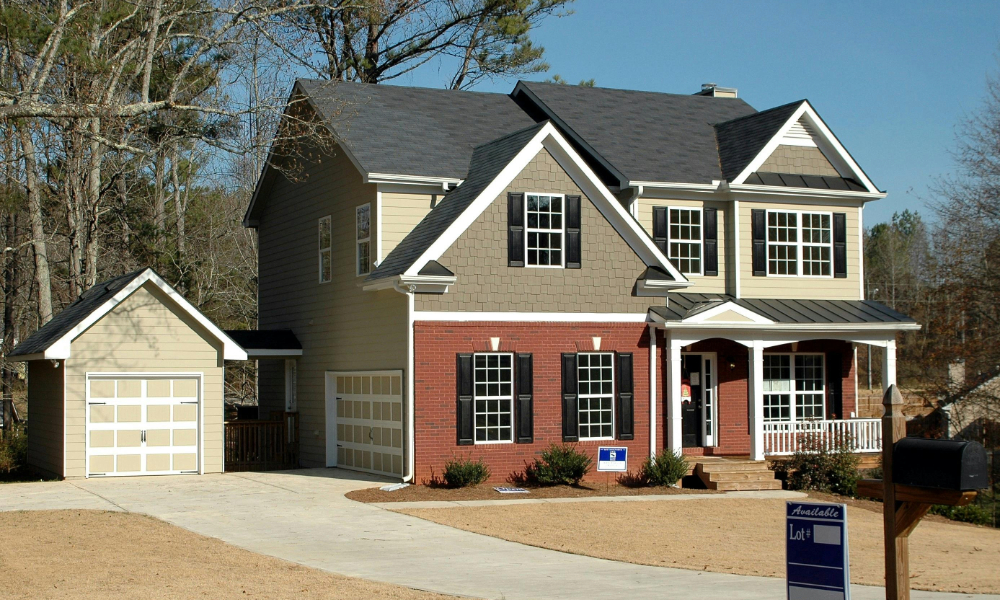
What Siding Is Really Doing For Your Home
New siding isn’t just a cosmetic upgrade.
It’s the outer shell that protects your home from wind, rain, snow, hail, and temperature swings. It drives curb appeal and resale value. And it has a big impact on how much time and money you’ll spend on maintenance over the next 10–20 years.
The real question most homeowners are asking isn’t, “What’s the best siding on the market?”
It’s “Which type of siding is the best fit for my home, in my climate, with my budget?”
At Wolf River Construction, we help homeowners across Minnesota, South Dakota, North Dakota, Wisconsin, and Iowa answer that question every season.
Before you compare materials, it helps to zoom out.
Your siding isn’t just there to look nice. It’s doing a few critical jobs every day:
- Weather protection
It’s the first line of defense against:- Rain and snow
- Wind and debris
- Sun and temperature swings
- Moisture management
When installed correctly with proper flashing, house wrap, and details, siding helps:- Shed water away from your home
- Prevent moisture from getting trapped inside walls
- Reduce the risk of rot, mold, and structural damage
- Insulation and comfort (indirectly)
Siding itself isn’t usually the main insulator, but it protects the insulation and framing behind it so your home can perform as designed. - Curb appeal and home value
Siding plays a huge role in:- First impressions
- Architectural style
- How modern, clean, or dated your home looks
Choosing siding is about finding the right balance between protection, appearance, maintenance, and cost for your specific situation.
The Main Types of Siding, Explained In Plain Language
Let’s look at the most common siding options you’ll see in our region and what they bring to the table.
1. Vinyl Siding
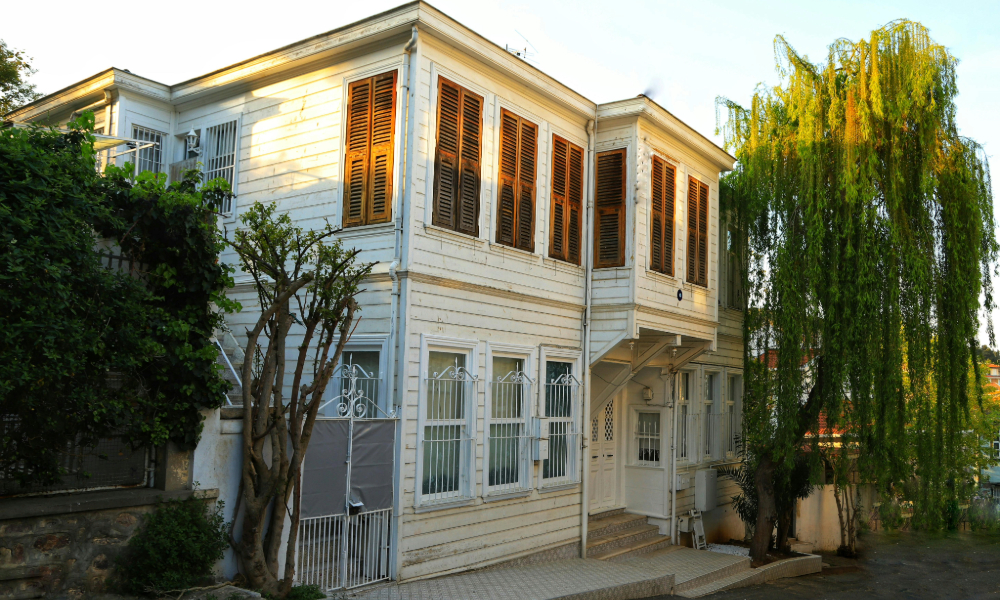
Vinyl is one of the most widely used siding materials in the U.S. It’s made from PVC (a type of plastic) and comes in a range of colors and profiles.
Pros:
- Budget-friendly compared to many other options
- Low maintenance—doesn’t need painting; usually just occasional cleaning
- Resistant to rot and insects, since it’s not organic
- Many colors and styles (including options that mimic wood grain)
Cons:
- Can crack or become brittle over time, especially with extreme temperature swings
- More prone to hail damage and impact marks than some harder materials
- Color is baked in, so you’re not repainting to change color easily later
- May not offer the same “high-end” look as some alternatives on certain homes
Best fit:
Homeowners looking for a cost-effective, low-maintenance option that still looks good and performs reliably, especially on standard suburban homes.
2. Fiber Cement Siding
Fiber cement is made from a mix of cement, sand, and cellulose fibers. It’s known for its durability and can mimic wood, stucco, or other textures.
Pros:
- Very durable and holds up well in harsh weather
- Resistant to rot, insects, and fire
- Takes paint well, so you can change colors over time
- Offers a more “solid” look and feel that can boost curb appeal
Cons:
- Heavier than vinyl, so installation is more involved
- Typically higher upfront cost than basic vinyl
- Needs to be painted or finished (though factory finishes can last many years)
Best fit:
Homeowners who want a durable, upscale look, are okay with a bit more investment up front, and are planning to stay in their home for a while.
3. Engineered Wood Siding
Engineered wood siding is made from wood fibers and resins, designed to provide the appearance of wood with better durability and consistency.
Pros:
- Warmer, more natural wood look than some alternatives
- Generally more impact-resistant than vinyl
- Frequently comes with factory-applied finishes for better durability
- Lighter and often easier to work with than fiber cement
Cons:
- Still contains wood fibers, so proper installation and moisture management are critical
- Requires maintenance and repainting over time
- Typically costs more than basic vinyl (though often less than some premium options)
Best fit:
Homeowners who like the look of wood but want better performance and lower maintenance than traditional wood.
4. Metal Siding (Steel or Aluminum)
Metal siding is less common in some neighborhoods but can be a great fit in certain applications and styles.
Pros:
- Very durable and long-lasting when properly finished
- Highly fire-resistant
- Resistant to insects and rot
- Can offer a modern, clean aesthetic
Cons:
- Can be more expensive than some other options
- May show dents from hail or impacts more visibly
- Style doesn’t fit every home or neighborhood
Best fit:
Homes where a modern or farmhouse style makes sense, or where durability and fire-resistance are top priorities.
5. Natural Wood Siding
Natural wood siding (like cedar) has a classic, timeless look that many homeowners love.
Pros:
- Beautiful, natural appearance that’s hard to replicate perfectly
- Can be stained or painted in many ways
- Fits well with certain architectural styles and higher-end neighborhoods
Cons:
- Higher maintenance—requires regular staining or painting
- Vulnerable to rot, insects, and moisture if not maintained and detailed correctly
- Typically higher upfront cost, plus ongoing maintenance costs
Best fit:
Homeowners who are committed to regular maintenance, value authentic wood aesthetics, and may be in areas or neighborhoods where that look is expected.
Comparing Siding Options: Durability, Maintenance, and Cost
Instead of chasing the “best” material in a vacuum, compare them across a few practical categories.
- Durability (especially in our climate)
- High durability: Fiber cement, metal
- Good durability with proper details: Engineered wood
- Decent durability: Vinyl (with more vulnerability to impacts and extreme temps)
- Durability depends on maintenance: Natural wood
- Maintenance
- Lowest maintenance: Vinyl, metal
- Moderate maintenance: Fiber cement, engineered wood (especially if factory-finished)
- Highest maintenance: Natural wood
- Appearance and Style Flexibility
- Wide style range: Fiber cement, engineered wood, vinyl
- High-end, natural look: Natural wood, some engineered wood profiles
- Modern/industrial: Metal
- Relative Cost (very general)
Every market is different, and pricing changes, but in broad strokes, you might think of it like this (from lower to higher typical upfront cost):
Vinyl → Engineered wood / some fiber cement options → Higher-end fiber cement / metal → Natural wood (plus higher long-term maintenance)
The important part: upfront cost is only part of the equation. You also want to consider:
- How long you plan to stay in the home
- How much maintenance you’re willing to do (or pay for)
- The value of curb appeal in your specific neighborhood
How To Choose The Best Siding For Your Home
Here’s a simple framework to help you narrow down your options.
1. Consider Your Climate And Weather
In Minnesota, South Dakota, North Dakota, Wisconsin, and Iowa, we deal with:
- Freeze/thaw cycles
- Snow and ice
- Strong sun in summer
- Wind and hail
Look for siding that:
- Performs well in temperature swings
- Handles moisture and wind-driven rain
- Has a good track record in hail-prone areas (installation details and underlayment matter here, too)
2. Be Honest About Your Maintenance Tolerance
Ask yourself:
- Do I want something I can mostly leave alone for the next 10–15 years?
- Am I okay with repainting or re-staining at regular intervals?
- Would I rather invest a bit more upfront to reduce maintenance later?
If “low maintenance” is a top priority, that will naturally steer you away from certain materials.
3. Think About Your Home’s Style And Neighborhood
What looks “right” on:
- Your specific house design (ranch, two-story, farmhouse, craftsman, etc.)
- The surrounding homes on your street
- Any HOA or design guidelines that apply
Sometimes the right siding is the one that fits the architecture and neighborhood, not just the one with the best spec sheet.
4. Factor In How Long You Plan To Stay
If you’re planning to sell in the next 3–5 years, you might prioritize:
- Solid, attractive, low-maintenance siding
- A look that appeals broadly to buyers
If you’re planning to stay 10+ years, you might:
- Consider investing in more durable or higher-end options
- Focus on what you’ll be happiest living with long-term
5. Don’t Forget About Installation Quality
The best siding in the world can underperform if it’s:
- Installed without proper flashing and trim details
- Put over poorly prepared or damaged sheathing
- Not integrated correctly with windows, doors, and roof lines
Material matters. But how it’s installed can be just as important for performance and longevity.
Common Homeowner Scenarios (And How Siding Choice Plays In)
“Our siding is old and worn out. We just want a clean, low-fuss upgrade.”
You might lean toward:
- Vinyl if budget is a key concern and you want low maintenance.
- Engineered wood or fiber cement if you want a more solid, upgraded look with reasonable maintenance.
“We’re staying in this home long-term and want to really boost curb appeal.”
You might consider:
- Fiber cement with a modern profile and color
- Engineered wood for a rich, wood-like appearance
- Natural wood if you’re committed to the look and the maintenance that comes with it
“We have storm or hail damage and need to replace siding anyway.”
You can:
- Match your current siding material, or
- Use this as an opportunity to upgrade to something more durable or attractive while the project is already underway.
A conversation with a contractor can help you weigh what makes sense in your specific case.
How Wolf River Construction Helps You Choose The Right Siding
You don’t have to become an expert in every siding material to make a good decision. You just need a clear picture of your options and how they apply to your home.
When we work with homeowners in MN, SD, ND, WI, and IA, our process typically includes:
- On-site evaluation
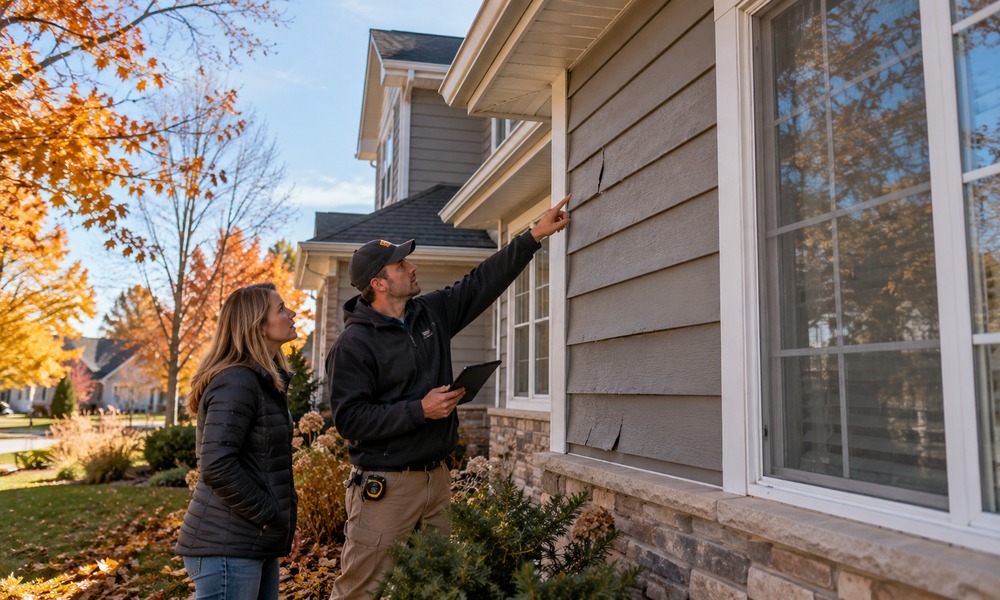
- Inspect your current siding, trim, and exterior details
- Identify any underlying issues (moisture, rot, structural concerns)
- Discussion of goals
- Budget range
- How long you plan to stay
- Maintenance preferences
- Style and curb appeal priorities
- Material and design recommendations
- Present siding options that make sense for your home and climate
- Explain pros and cons in plain language
- Help you understand how each choice will look and perform over time
- Quality installation
- Focus on details: flashing, transitions, trim, moisture management
- Coordinate any necessary repairs to sheathing, framing, or insulation
- Leave you with a clean, finished exterior that protects and enhances your home
Ready To Explore Siding Options For Your Home?
Whether your current siding is:
- Worn and faded
- Damaged by weather
- Just not the look you want anymore
…you have more options than you might think.
You don’t need to pick a material from a chart and hope for the best. You can walk through the choices with a contractor who understands both the products and how they perform in our region.
If you’re considering new siding in Minnesota, South Dakota, North Dakota, Wisconsin, or Iowa, Wolf River Construction can help you:
- Evaluate your home’s exterior
- Compare siding options that fit your goals and budget
- Install a siding system that looks great and protects your home for years to come
You bring your vision and your questions. We’ll bring the experience, the options, and a clear plan to get it done right.