Solar Is a 25+ Year Decision. Your Roof Should Match That.
If you’re thinking about going solar and you’re staring up at an older roof, you’re probably asking the same question we hear every week:
“Do I have to replace my roof before I put solar panels on it?”
The honest answer: sometimes yes, sometimes no. You don’t automatically need a new roof to go solar, but you do need a roof that can safely support a 25+ year solar investment.
In this article, we’ll walk you through how we think about this at Wolf River Construction, how we work hand-in-hand with Wolf River Electric, and how you can quickly get to a clear answer for your home.
Most modern residential solar systems are designed to last 25 years or more. Leading panel manufacturers commonly offer 25‑year performance warranties, and in practice, well-installed systems can keep producing beyond that horizon.
Typical roofs don’t last that long.
- Standard asphalt shingles: often 20–25 years in “average” conditions
- Architectural asphalt shingles: 25–30+ years
- Metal roofing: 40–70+ years with proper installation and maintenance
(Estimates based on ranges from the National Association of Home Builders and major manufacturers.)
That gap matters. If your roof only has 5–8 good years left and your solar system is built to last 25, you’re almost guaranteeing that you’ll pay to take those panels off, re-roof, and put them back on. That’s extra time, extra logistics, and extra cost you could have avoided with better planning.
This is exactly why, behind the scenes in our CRM, one of the disqualification reasons Wolf River uses for solar leads is “Bad Roof.” If we can see your roof isn’t a good candidate, we’re not doing you any favors by pretending otherwise. We’d rather help you solve the roof problem first, then build a solar project on a strong foundation.
Five Quick Questions to See If You Might Need a New Roof
You don’t have to become a roofer overnight. But if you can answer a few simple questions, you’ll have a much better sense of whether your roof is likely ready for solar or needs attention first.
- How old is your roof, and what material is it?
If you have a basic asphalt shingle roof that’s 18–20+ years old, it’s already in the “keep a very close eye on it” zone in our Minnesota climate. Sun, temperature swings, wind, hail, snow load, and ice dams all compress real‑world roof life. A 10‑year‑old roof is a very different conversation than a 22‑year‑old roof when we’re talking about mounting solar. - What can you see from the ground?
Take a slow walk around your home. Look for missing or torn shingles, curling edges, bald spots where granules are gone, sagging areas, or obvious patches. Inside, check ceilings and the attic for water stains or damp insulation. If you’re seeing leaks or soft spots now, adding penetrations for solar hardware isn’t responsible until the underlying issues are fixed. - What’s happening beneath the shingles?
Solar isn’t just about what you see; it’s about what the fasteners are actually going into. If the roof deck has rot, delamination, or past moisture damage, it can’t hold hardware the way it should. Part of our job at Wolf River Construction is to get up there, pull back the layers when needed, and make sure your structure is sound before anyone starts drilling. - How many layers are on your roof?
If you already have multiple layers of shingles, you’re likely out of code in many jurisdictions and carrying more weight than your structure was designed for. Adding solar on top of that isn’t a good idea. In those cases, a tear‑off and proper re‑roofing is often the safest path. - How long do you plan to stay in the home?
If you love your home and plan to stay put, it usually makes more sense to make the roof “solar-ready” now so you’re not dealing with a re-roof under a panel array later. If you know you’ll likely move in a few years, and your roof is still relatively young and healthy, that leans the other way.
You don’t have to have perfect answers here; that’s what a professional inspection is for, but this framework helps you move from “I have no idea” to “this is probably a roof that deserves a closer look before solar.”
Situations Where You Definitely Should Replace the Roof Before Solar
There are some scenarios where, as a contractor who cares about long‑term performance and safety, we’ll strongly recommend a new roof before installing solar.
- Your roof is at or near the end of its expected life.
If you’ve got a 20–25‑year shingle product and you’re already in that 18–22‑year range, you’re playing in injury time. Could it last a few more seasons? Maybe. But designing a 25‑year solar system on top of something that might not survive the next hailstorm is not a bet we encourage our customers to make. - There are active leaks or known structural issues.
Water in the attic, stains on ceilings, soft decking, or sagging sections are all red flags. Solar hardware is engineered to be watertight when installed correctly. Flashing, sealants, and mounting systems are all designed with that in mind. But those systems assume a healthy roof to begin with. We don’t “hide” roof problems with panels. - Storm damage that’s been patched but not truly resolved.
After a serious wind or hail event, it’s common to see quick patch jobs or “insurance specials.” If your roof has a history of storm claims, we want to understand what was done, whether there are underlying issues, and whether your current roof is the right platform to support a long‑term solar asset. - Multiple layers and code concerns.
If you have more than one layer of shingles, most manufacturers and building codes will recommend or require a tear‑off for a proper job. That’s when we take a step back and say: let’s build this correctly once, and then add solar to a clean, code‑compliant roof system.
In all of these scenarios, doing the roof first protects your investment. It reduces the odds you’ll pay for panel removal and re‑installation halfway through the useful life of the solar system.
When You Probably Don’t Need a New Roof Yet
On the other hand, we also see plenty of homes that are perfectly fine to go solar without a full replacement.
A good example: a 5–10‑year‑old architectural shingle or metal roof with no visible damage, no history of leaks, solid decking, and a clean inspection. If everything checks out structurally and cosmetically, you can usually install solar with confidence. In those situations, our focus shifts from “Should we even be up here?” to “How do we design this array and flashing so your roof and solar system work together for the long haul?”
It’s important to stress this: we do not automatically recommend a new roof just because someone wants solar. That’s not how we run Wolf River Construction. Our recommendations are based on actual data from the roof: age, condition, material, local weather realities, and your plans for the home.
What we do recommend, every single time, is a proper roof inspection before you sign a solar contract or before you let anyone start putting holes in your roof.
The Advantage of Coordinating Your Roof and Solar Projects
If your roof is “borderline” not failing today, but clearly in its later years, there’s a strong argument for doing the roof and solar projects together.
When you coordinate the two, you get:
- One integrated design: The roofing team and the solar team plan penetrations, wire runs, and layout together so you’re not compromising watertightness or aesthetics.
- One schedule and one point of accountability: You’re not stuck playing referee between a roofer and a solar installer later if something goes wrong. If Wolf River Construction and Wolf River Electric handle the project together, we will work together to ensure a timeline is strongly communicated.
- Long-term alignment of warranties: Instead of a roof warranty ending halfway through the life of the solar panels, we can build a system where the timelines actually make sense together.
In some cases, homeowners are also able to structure financing so that roof work directly tied to the solar installation is combined into one project. The details depend on your lender, local regulations, and your tax advisor, so we never promise a blanket outcome, but it’s worth a conversation if you’re looking at a major roof upgrade and a solar system at the same time.
How Wolf River Construction Evaluates Roofs for Solar
Here’s what this looks like in practice when you work with our team.
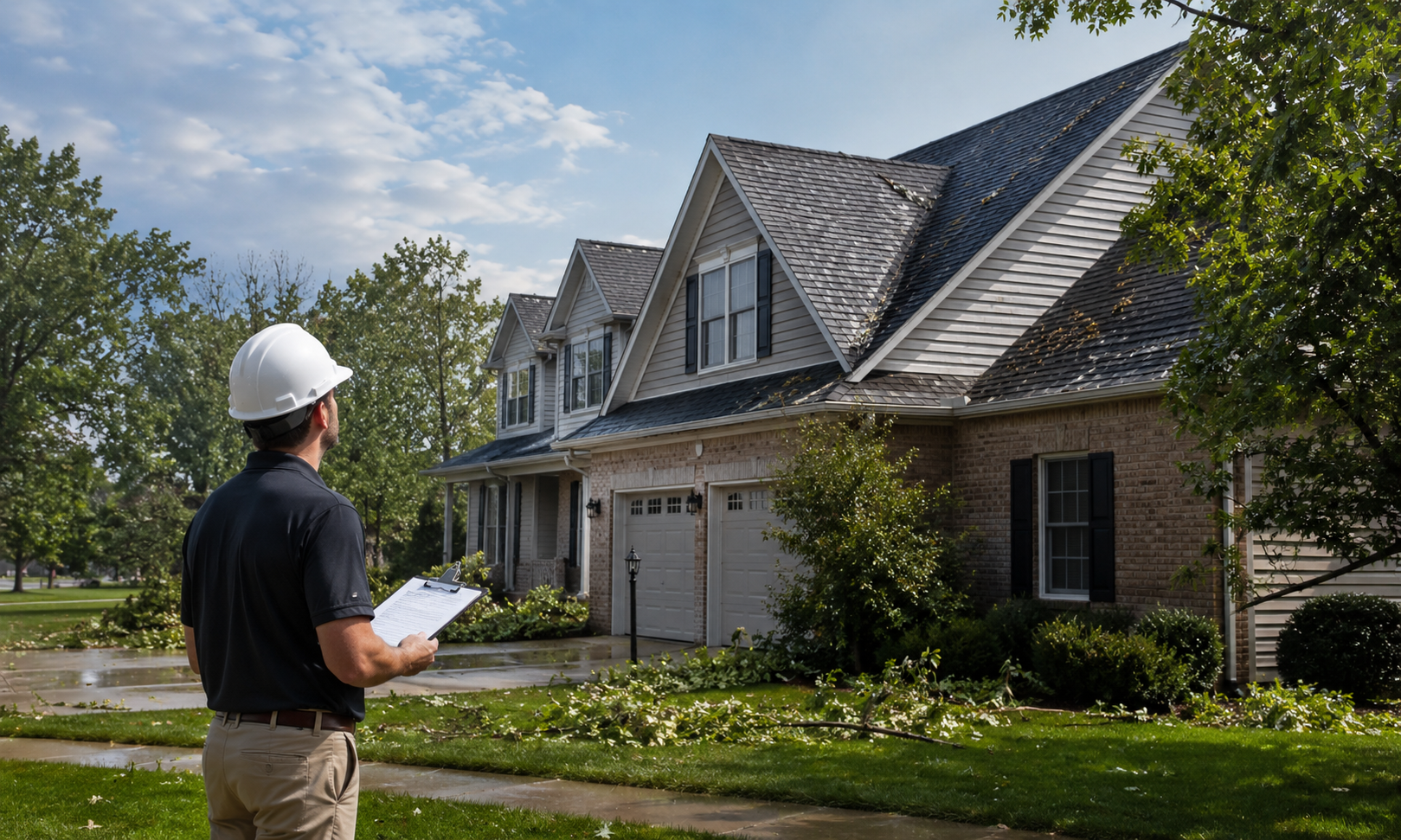
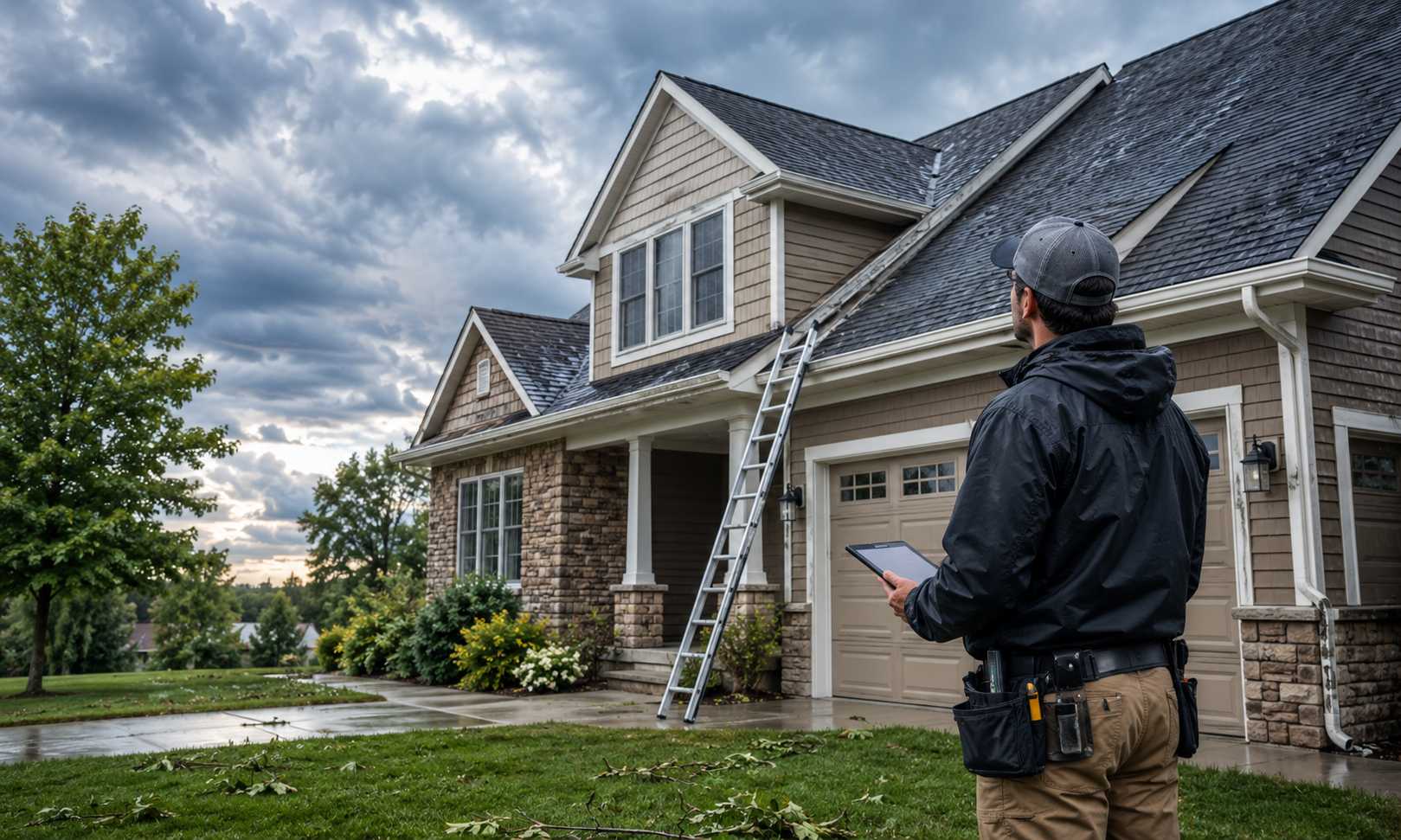
First, we treat your roof and your solar system as one integrated project, even if they’re technically separate line items. We start with a site visit and a thorough roof evaluation: age, material, slope, layers, penetrations, flashing details, and any signs of past or present leaks.
We document everything: photos, notes, and clear recommendations. Internally, we keep it simple: Pass, Needs Repair, or Needs Replacement before solar. That way, when Wolf River Electric designs your solar system, they’re working from real information about the surface they’re mounting to, not guesses or old paperwork.
If you’re already talking to the solar team and we see a roof concern, we’ll hit pause on the fast‑forward button. That doesn’t mean you’re not a good candidate for solar. It means we’re going to solve the first problem, roof readiness, so that once your solar system goes up, you can enjoy the savings and energy independence without worrying about what’s happening under the panels.
Your Next Step: Get a Roof and Solar Readiness Check
If you’re asking, “Do I need a new roof before installing solar?” that’s a sign you’re taking this decision seriously, and that’s a good thing. You’re not just buying panels; you’re planning a long‑term upgrade to your home.
The best next step isn’t guessing from the ground. It’s getting a professional, eyes‑on evaluation from a team that understands both sides of the equation: roofing and solar.
At Wolf River Construction, we work closely with Wolf River Electric to make sure your roof, your solar design, and your long‑term goals are all aligned. We’ll tell you, in plain language, whether your roof is ready as‑is, needs repairs, or should be replaced before you move ahead with solar, and we’ll back that up with photos and a clear plan.
If you’re ready to move from “not sure” to a confident answer, schedule a roof and solar readiness check. We’ll help you make the right call now so you’re not paying for avoidable surprises later.