Why Sequence Matters More Than People Think
If you’re like a lot of homeowners we talk to, you’re standing at a crossroads.
You’re interested in solar. You’re tired of rising utility bills, you like the idea of producing your own power, and you’ve probably already poked around with a calculator or talked to a solar rep. But there’s one big question nagging at you every time you look up at your house:
“My roof isn’t new. Should I replace my roof first, or go ahead with solar?”
You’ll get very different answers depending on who you ask. A solar salesperson might push you to install panels now and “deal with the roof later.” A roofer might tell you that you absolutely must re-roof before you even think about solar. The truth is more nuanced.
The right sequence, solar first, roof first, or both together, depends on your roof’s condition, its remaining life, how long you plan to stay in the home, and your budget. The good news is that there are clear patterns you can use to make a smart decision instead of guessing.
At Wolf River Construction, we spend a lot of time in that decision space, helping homeowners see the full picture. Let’s walk through how to think about “solar vs. roof replacement first” in a way that protects both your home and your wallet.
Solar is not a two- or three-year product. Most residential systems are designed to perform for 25 years or more. Panel manufacturers routinely offer 25‑year performance warranties. Inverters and other components have their own timelines, but as a system, solar is a long-term asset.
Standard asphalt shingles, by contrast, typically live in the 20–25‑year range under “average” conditions. Architectural shingles can stretch into the 25–30+ year range. In real-world Upper Midwest weather, with heavy snow, ice, hail, and big temperature swings, those lifespans can compress.
That mismatch between a 25‑year solar system and a 20‑25‑year roof is where sequencing really matters.
If you install solar on a roof that only has a few good years left, you’re almost guaranteeing a future project where someone has to remove the array, replace the roof, and then reinstall the system. That’s more labor, more coordination, and more cost than if you had addressed the roof first or timed both projects together.
On the other hand, if your roof is relatively young and healthy, delaying solar for years “just because” can mean leaving a lot of potential savings and incentives on the table.
So instead of defaulting to “always roof first” or “always solar first,” we break it down into scenarios.
Scenario 1: Roof Clearly at End of Life → Roof First
In the first scenario, your roof is sending clear signals that it’s at or near the end of its life:
The shingles are curling, cracking, or shedding granules. You’ve had leaks, repeated repair calls, or storm claims. The roof is in that 18–25‑year age band for standard shingles and looks every bit of it in our climate.
In this case, putting solar on top of a failing roof is like building a second story on a house with a crumbling foundation. Could you physically mount the panels? Probably. Would it be a smart long-term move? No.
When we see this, our recommendation is simple: roof first.
Replace the roof with a system that’s designed and warrantied to last alongside your solar investment. Address any deck or structural issues. Get your ventilation and flashing right. Then, once that surface is ready, move ahead with solar on a solid platform.
From the outside, that might feel like delaying your solar goals. In reality, you’re aligning timelines and avoiding the almost guaranteed hassle and cost of panel removal and reinstallation in just a few years.
Scenario 2: Roof Solidly Mid‑Life → Solar First Is Reasonable
Now let’s look at the other end of the spectrum.
Maybe you replaced your roof 5–10 years ago with quality architectural shingles. There are no leaks, no soft spots, no evidence of storm damage. Ventilation is good. Flashings and valleys look clean. From our inspection, we see plenty of realistic remaining life.
In that scenario, “solar vs. roof first” is less of a conflict. Your roof is mid‑life and performing well. It’s very reasonable to move forward with solar now.
What changes in that conversation is planning. If you install a 25‑year solar system on a 7‑year‑old roof, you need a plan for what happens around year 20‑plus. Will the roof and solar ages line up well enough that you can replace both together someday? Do you want to build in a line item for possible panel removal and reinstallation if the roof needs work before the system hits the end of its life?
We walk homeowners through those “what if” scenarios upfront. You don’t have to have every answer today, but you should understand that if you choose solar first on a mid‑life roof, you’re trading earlier energy savings for the possibility of higher roof‑related logistics later. For many people, that tradeoff makes sense as long as it’s intentional.
Scenario 3: Borderline Roof → Combine Projects or Roof First
The trickiest scenario and the one we see most often is the borderline roof.
Maybe your shingles are 15–20 years old. There are no active leaks, but the roof is clearly aging. The granules are thinning, there’s some curling or bruising from hail, and your insurance company has started to make noises about future claims.
This is the gray area where homeowners really wrestle with the question: “Do I get the solar now, or do I grit my teeth and take care of the roof first?”
In that borderline zone, we usually recommend one of two paths:
- Replace the roof first, then install solar on the new system.
- Or, if the budget allows, coordinate both projects together so the roof and solar are designed as one integrated upgrade.
What we rarely recommend in this scenario is “solar first and hope the roof makes it.” That’s exactly the pattern that leads to avoidable mid‑life roof replacements under an active solar array with all the cost and disruption that come with that.
If your roof is clearly on the back half of its life, has visible wear, and lives in a hail-prone or storm-heavy region like ours, combining or sequencing the projects roof-first is often the smarter long-term move.
The Factors That Should Drive Your Decision
We get that this isn’t a purely technical decision. It involves money, timing, and how you feel about your home. When we help homeowners think through solar vs. roof replacement first, we always come back to a handful of core factors:
- Roof age and condition
- Budget and financing options
- How long do you plan to stay in the home
- Local weather, insurance realities, and code requirements
Roof age and condition usually come first, because they set the boundaries of what’s responsible. A structurally sound, mid‑life roof gives you more flexibility than a 22‑year‑old system that’s limping along on patched valleys and past claims.
Budget and financing shape what’s possible. Some homeowners choose to phase projects, roof this year, solar next year. Others look at ways to combine roof and solar work into one overall financing strategy if pieces of the roof work are directly tied to the solar install. We always encourage talking with your lender and tax advisor; our job is to lay out the construction realities, not make blanket financial promises.
Your time horizon in the home matters too. If you’re planning to move in a few years, and your roof is in decent shape, going solar first on a mid‑life roof might be perfectly reasonable. If this is your “forever home,” you might lean harder toward aligning roof and solar timelines, even if that means tackling the roof earlier than you’d hoped.
Finally, local weather and insurance conditions can tilt the scales. In hail country, for example, it’s not unusual for insurers to push full replacements after major storms. Understanding how your insurer treats roof age, materials, and solar attachments can inform whether you want to re‑roof now or risk navigating those conversations with an array already on the roof.
What Happens If You Choose Solar First on a Questionable Roof
Let’s talk candidly about the scenario where you choose solar first, even though your roof is borderline.
In the short term, you get the benefits of solar: lower electric bills, some insulation from future utility rate hikes, and the satisfaction of producing your own power. That’s the upside.
The downside usually shows up a few years down the road. The roof continues to age. Small issues become bigger ones. Maybe a storm accelerates wear. Eventually, you cross a threshold where the roof can’t be ignored. At that point, because the array is in place, you’re not just paying for a roof; you’re also paying for panel removal and reinstallation.
From our side of the fence, we see this play out over and over. It’s one of the reasons we’ve built “Bad Roof” and similar dispositions into our CRM logic on the solar side. If we look at your roof and see a high risk that it won’t reasonably last through most of a solar system’s life, we pause. We’d rather have a tough conversation about timing than help you build a long-term asset on a short-term surface.
The Case for Doing Roof and Solar Together
There’s one more option we haven’t spent much time on yet: tackling roof replacement and solar installation as one coordinated project.
When the roof is in that borderline range, old enough that you’d feel better with a replacement, but not yet a crisis, combining the two can make a lot of sense. You get:
A single mobilization of crews and equipment. One coordinated design so that penetrations, flashings, and panel layout work together. A clear division of responsibility between the roofing and solar teams, who are talking to each other from day one. And, importantly, a roof and solar system that are starting their service lives on the same page instead of five or ten years apart.
For some homeowners, this combined approach also simplifies planning and, in certain cases, financing. If aspects of the roof work are directly related to the solar project (for example, reinforcing a section of roof specifically for the array), there may be ways to bundle costs. Again, the specifics depend on your lender and tax situation, but it’s worth exploring with professionals who understand both trades.
How Wolf River Helps You Decide
We don’t believe in answering “solar vs. roof replacement first” with a blanket rule. Instead, we walk your roof and your goals through a consistent process.
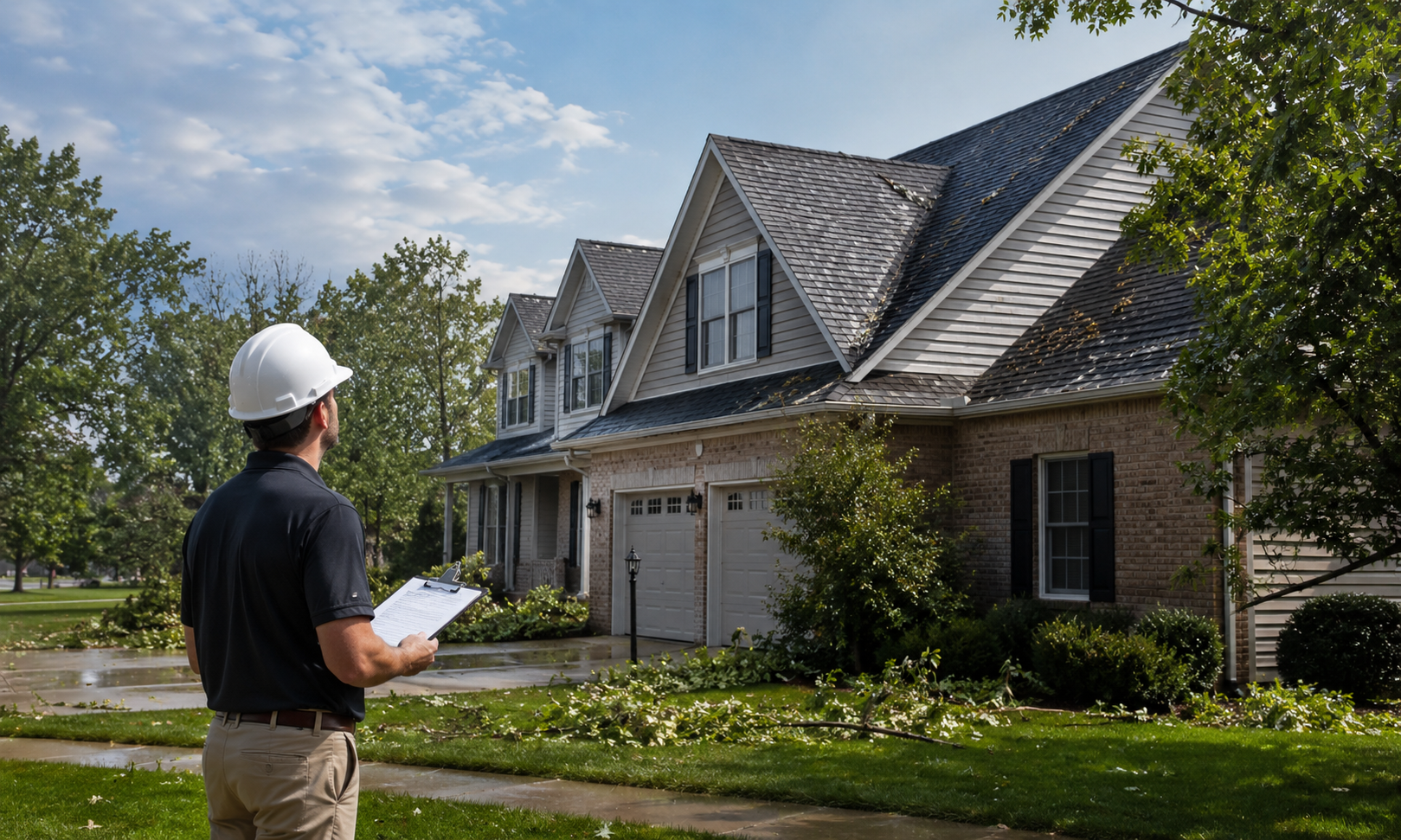
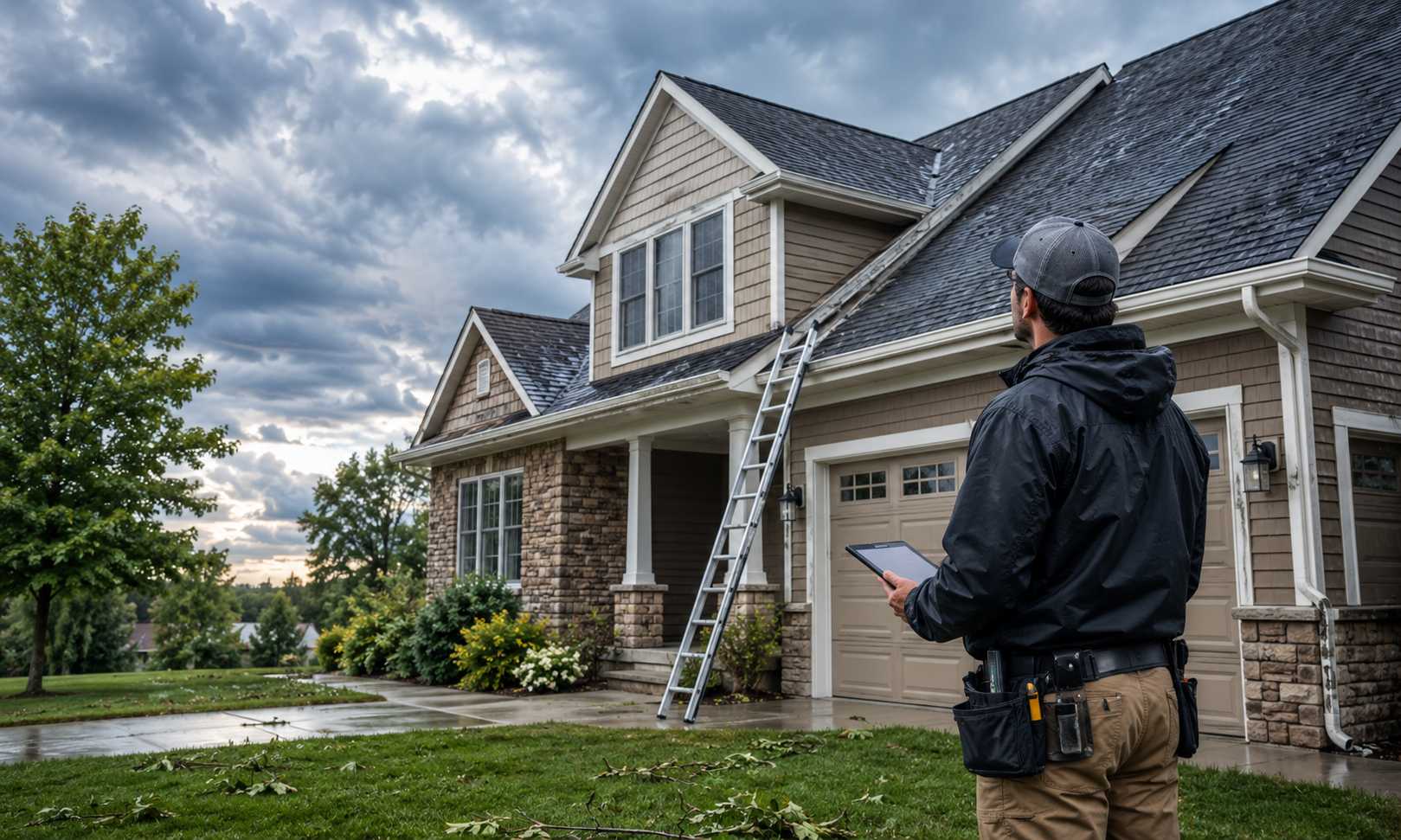
We start with a detailed roof inspection. Age, material, visible wear, flashing details, attic conditions, deck health, everything we can safely evaluate, we document with photos and notes.
Then we pair that with your plans: Are you already talking with Wolf River Electric about solar? What does your timeline look like? How long do you plan to stay in the home? What’s realistic for your budget this year and next?
From there, we give you a clear recommendation in plain language: roof first, solar first, or tackle both together. When solar is part of the picture, we coordinate directly with the Wolf River Electric team so everyone is working from the same set of facts about your roof’s condition.
You’re never pushed into a sequence that only benefits one side of the project. Our goal is to look out for the whole system, your home, your roof, and your solar investment over the long term.
A Simple Decision Guide
To pull this together, here’s a quick way to think about sequencing:
- Roof is obviously at the end of life (leaks, heavy wear, 18–25+ years old): Roof replacement first, then solar.
- Roof is mid‑life (5–10 years old, healthy): Solar first is reasonable; plan for how you’ll handle a future roof under an array.
- Roof is borderline (15–20 years, visible aging, storm history): Strongly consider roof first or a coordinated roof + solar project.
If you’re not sure which category you fall into, the solution isn’t another online estimate; it’s a real evaluation from a team that understands both roofing and solar.
At Wolf River Construction, we’re here to help you make that call with eyes wide open. Schedule a roof and solar readiness assessment, and we’ll show you exactly where your roof stands today, how that affects your solar options, and which sequence makes the most sense for your home and your long-term plans.