Why Does Roofing Matter So Much?
At Wolf River Construction, we’ve helped hundreds of homeowners across Minnesota, Iowa, North Dakota, South Dakota, & Wisconsin make decisions on about their homes that stand the test of time—and weather. Out of all the choices you make for your property, few are as critical (or as overwhelming) as picking the right roof. We get questions every week about materials, styles, costs, and how to protect a home from snow, summer storms, and everything in between.
If you’re starting the process for a new build or considering a roof replacement, here’s our straightforward Q&A guide to help you make an informed choice—without the sales pitch or confusion.
Your roof is the first line of defense when it comes to protecting your home from the elements. In the Midwest, that means blizzards, hail, gusty wind, ice dams, blazing summer sun, and the occasional tornado warning. The roof you choose affects not only curb appeal, but also long-term performance, comfort, and even your property value.
A quality roof does two big jobs:
- Keeps water, wind, and cold out (and conditioned air or heat in)
- Adds structural stability and resale value
Cutting corners here can lead to leaks, higher energy bills, or expensive maintenance headaches down the line—a scenario we’ve seen too many times on inspection calls. That’s why investing thought (and picking the right partner) makes all the difference.
What kind of weather will my roof need to withstand?
Let’s be real: Midwest weather puts every roof to the test. Here are the challenges to consider:
- Heavy snow loads: From late fall through early spring, roofs must shed or support serious weight. Ice dams—where melting snow refreezes at the eaves—can cause leaks if not prevented with proper installation.
- Strong winds and storms: Thunderstorms and tornados mean your shingles or panels need to stay put, even in high gusts.
- Hail: Impact resistance matters, especially for those living in regions prone to hail (according to the NOAA, the Midwest can have 7-9 hail days per year in some areas).
- Wide temperature swings: From subzero in January to 95°F in July, materials expand, contract, and must remain watertight.
Wolf River Tip: Always ask about wind and hail ratings on any material you’re considering. Look for a manufacturer warranty that specifically covers these Midwest threats.
What roofing materials are available—and how do they compare?
Homeowners often ask, “What’s the most popular type of roof?” The answer is: It depends on your priorities. Here’s a side-by-side comparison of the most common options in our region:
Asphalt Shingles
- Pros: Affordable, easy to install, available in many colors/styles. Lifespan of 15–30 years.
- Cons: Can be less impact-resistant; may need replacement sooner after severe storms.
- Best for: Budget-focused owners looking for classic Midwest curb appeal.
Metal Roofing (Steel/Aluminum)
- Pros: Exceptional durability (40–70 years), sheds snow/ice readily, resists hail and fire, energy efficient.
- Cons: Higher upfront cost, potential for denting, may require additional insulation for noise.
- Best for: Those planning to stay long-term or seeking maximum protection.
Composite/Synthetic Shingles
- Pros: Designed to look like slate or wood but lighter and often more impact-resistant. Lifespan 30–50 years.
- Cons: More expensive than asphalt, may offer fewer local installer options.
- Best for: Homeowners who want upscale looks and longevity, minus weight or maintenance.
Wood Shakes
- Pros: Classic appearance, natural insulation properties.
- Cons: Higher maintenance, potential fire risk unless specially treated, not ideal for high-moisture climates.
- Best for: Historic homes or specific aesthetic preferences (with eye toward maintenance).
Slate or Tile
- Pros: Very long lifespan (60+ years), unique look.
- Cons: High cost, requires strong framing due to weight, less common in Midwest builds.
- Best for: Custom projects with big budgets and architect-driven design.
Wolf River Tip: Always pair your material with a licensed installer who knows Midwest codes and unique weather needs. It’s not just about the shingle—it’s the ventilation, flashing, and detail work underneath that ensures performance.
How does roof style affect my choice?
You might be surprised how much roof design (the pitch, shape, and complexity) influences your options.
- Steep vs. shallow pitch: Not all materials are suitable for low-slope roofs (e.g., some shingles or tiles are not recommended below a certain angle).
- Complex designs: Multiple dormers, valleys, or skylights increase labor and require more expert installation to avoid leaks.
- Ventilation and insulation needs: Proper airflow is crucial for all Midwest roofs to reduce ice dams and prolong shingle life.
Wolf River Tip: Ask for a “whole system” approach—not just the outer layer. We design roofs with balanced ventilation, ice/water barriers, and insulation that work together, not in isolation.
What’s realistic for my budget?
According to Remodeling Magazine’s 2024 Cost vs. Value Report, the average roof replacement in the Midwest ranges from $8,000 (basic asphalt) to $25,000+ (high-end metal/composite), depending on size and complexity.
Factors that affect cost:
- Material choice (as above)
- Roof size/square footage
- Pitch and accessibility
- Tear-off needed for the existing roof
- Special features (skylights, solar panels, extra insulation)
Wolf River Tip: Avoid the temptation to simply choose the cheapest bid. Ask potential contractors about warranty coverage, local references, and what’s included in the quote—especially regarding ice/water shield (critical in our region).
How important is maintenance—and what will I need to do?
All roofs require some level of attention. Even so-called “maintenance-free” materials benefit from annual checkups.
- Annual inspection: Catching missing shingles, loose flashing, or clogged gutters early avoids major repair bills later.
- After major storms: Visually inspect for damage (from the ground or with a contractor’s help) and address problems right away for insurance purposes.
- Ventilation check: Ensure attic vents and insulation are working, as ice dams are often due to underlying attic conditions—not just bad shingles.
Wolf River Tip: We offer our customers annual roof “health checks”—ask about adding this into your package for peace of mind.
Should I DIY, or is this a job for the pros?
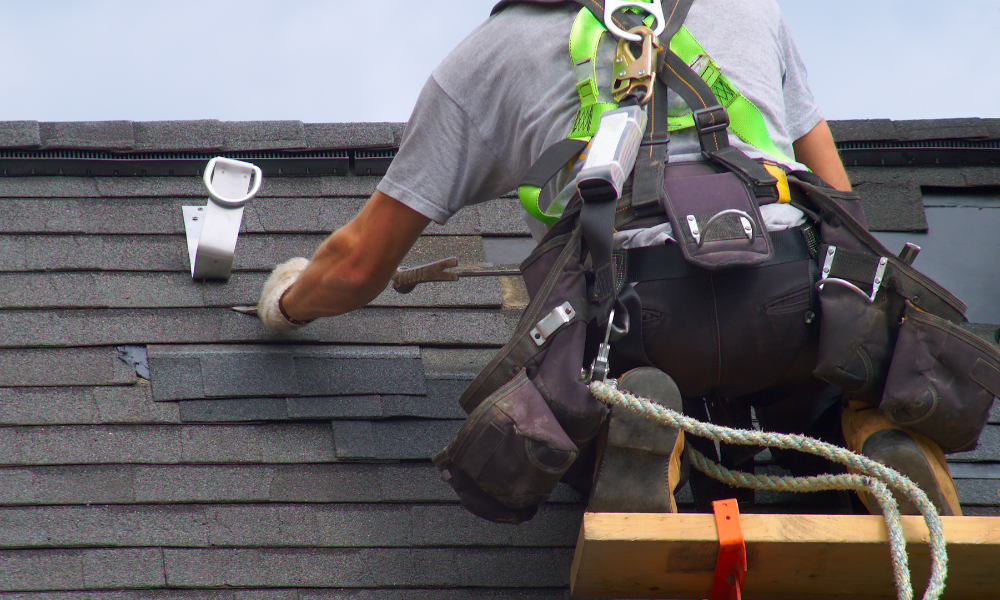
Even the most enthusiastic DIYer should think twice before taking on a roofing project. Midwest weather, local codes, and proper warranties all demand expert attention. An improperly installed roof can invalidate material warranties and expose your home to hidden hazards.
Trusted professionals (like Wolf River Construction) not only help you navigate product choices and warranties but ensure your investment is protected from season to season.
In Summary: Your roof, your peace of mind
Choosing a new roof is about much more than picking a material and color. It’s about protecting your family, your investment, and your sense of security—season after season, year after year. At Wolf River Construction, we believe in asking the right questions up front, walking you through the options, and designing a system that will stand up to whatever the Midwest throws your way.
Ready for a personalized, pressure-free conversation about your roofing needs? Reach out today for a complimentary consultation. We’re here to help—every step of the way.