
Where Wolf River Construction Fits In
Water is pouring into your basement. Your heart is racing, you’re grabbing towels that obviously aren’t going to cut it, and you’re not sure who to call first.
A plumber? Your insurance company? A contractor? 911?
In moments like this, you don’t need a thousand Google results. You need a simple plan.
Think of this as your “Stop, Drop, and Roll” for basement flooding:
Pause. Protect. Then Phone.
In this article, we’ll walk through exactly what to do, in what order, and who to call depending on the kind of water problem you’re facing—especially if you live in North Dakota, South Dakota, Wisconsin, Iowa, or Minnesota, where basement issues are incredibly common.
Step 1: Pause – Safety First, Before You Call Anyone
When you see water in your basement, your first instinct is to rush in and start moving things. But before you step into any standing water, stop and ask:
- Is there any chance electricity is involved?
Water + electricity is dangerous. If there are electrical outlets, appliances, or extension cords anywhere near the water, do not step into it.
If it’s safe to access your main electrical panel without walking through water, consider switching off the power to the basement. If you’re unsure or feel unsafe, stay out and call your utility or fire department for guidance.
Next, do a quick safety check:
- Is anyone in immediate danger?
- Is there a strong sewage smell?
- Is the ceiling sagging or showing signs of structural damage?
If there’s a risk of collapse or a serious safety concern, leave the area and call your local emergency services.
Once safety is handled, you can move to protecting your home and figuring out who to call.
Step 2: Protect – Minimize Damage In The First Hour
Water damage is a race against the clock. According to the Insurance Information Institute, water damage and freezing account for nearly one in five homeowners insurance claims in the U.S., and costs can escalate quickly when cleanup is delayed.
Source: Insurance Information Institute, “Facts + Statistics: Homeowners and Renters Insurance,” 2024.
If it’s safe to do so:
- Move valuables off the floor
Prioritize things that are irreplaceable: photo albums, documents, electronics, family heirlooms. - Try to slow the water if you can see the source
- Burst or leaking pipe? Look for the nearest shut‑off valve and close it.
- Whole‑house issue? Find and turn off the main water shut‑off to your home.
- Sump pump failure during a storm? Don’t reach into the pit; just note that the pump isn’t working—that’s a key detail for whoever you call.
You’re not trying to fix the problem yourself; you’re just buying time and preventing the damage from getting worse while you get the right people involved.
Step 3: Phone – Who To Call, In What Order
Here’s where most homeowners get stuck. They call the wrong person first, lose time, and sometimes make the situation worse.
Use this simple decision tree:
Scenario A: A Pipe Is Actively Spraying Or Leaking
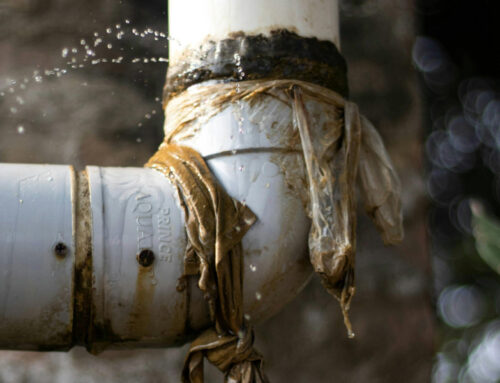
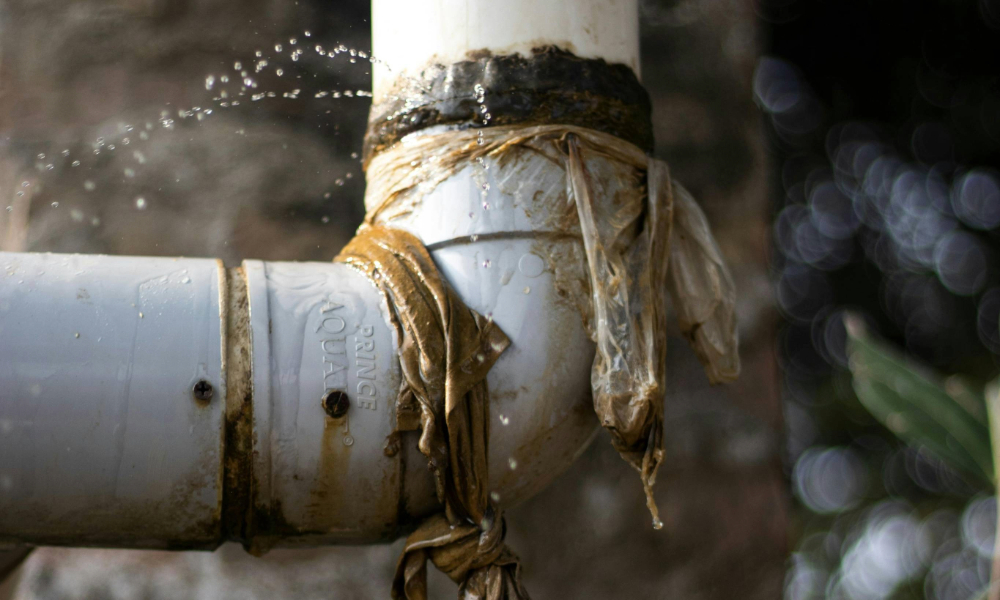
If you see an obvious plumbing problem—water spraying, dripping steadily, or a pipe that’s clearly burst:
- Turn off the water (if you can do so safely).
- Call a licensed plumber immediately.
You need the source of the water stopped as fast as possible.
Once the plumber is on the way or the water is shut off:
- Call a water damage/mold/cleanup contractor to start extraction and drying.
- Call a construction contractor (like Wolf River Construction) for assessment and rebuild planning if there’s visible damage to walls, flooring, or structural elements.
If you’re in North Dakota, South Dakota, Wisconsin, Iowa, or Minnesota, Wolf River Construction can step in as your project quarterback: we coordinate with mitigation partners, evaluate structural damage, and plan the repair so you’re not stuck chasing five different vendors.
Scenario B: Sewage Backup Or Strong Sewage Smell
If water is backing up from floor drains, toilets, or tubs and it smells like sewage:
- Avoid contact with the water. Sewage is a serious health hazard.
- Call a plumbing/sewer specialist or a restoration company that explicitly handles sewage cleanup.
- Once the backup is under control, call a contractor to assess and repair any damage to framing, drywall, flooring, or insulation.
Again, if you’re in ND, SD, WI, IA, or MN, this is where Wolf River Construction comes in: we handle the reconstruction and help make sure everything behind the walls is clean, dry, and safe—not just “good enough to paint over.”
Scenario C: Storm Water, Groundwater, Or Sump Pump Failure
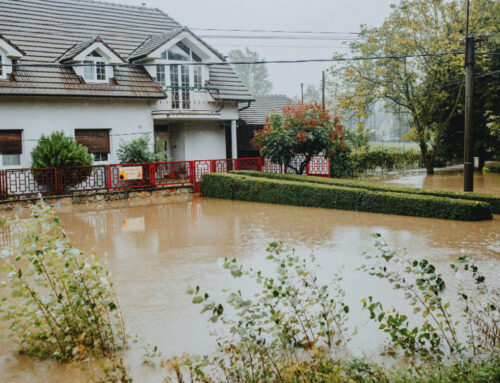
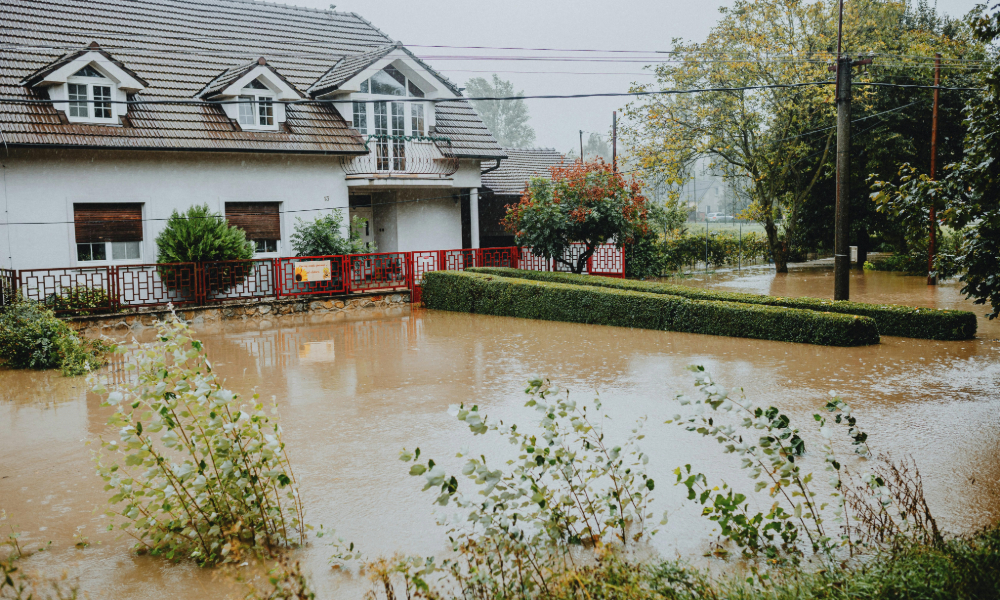
This is extremely common in the Upper Midwest. Heavy rain, snowmelt, or a failed sump pump can push water into your basement even when your plumbing is fine.
If:
- Water is seeping through walls or floor cracks
- Your sump pump isn’t keeping up or has failed
- Water is pooling during or right after a storm
Then:
- If water is still actively entering:
- Check your sump pump (from a safe distance; don’t reach into standing water).
- If the pump is dead or overwhelmed, you may need emergency pumping from a mitigation company.
- Call a water mitigation/restoration company for immediate extraction and drying.
- Call a contractor to address the root causes and the damage:
- Replacing damaged drywall, insulation, and flooring
- Checking for structural or foundation issues
- Rebuilding finished spaces correctly so they’re safe and dry
In North Dakota, South Dakota, Wisconsin, Iowa, and Minnesota, Wolf River Construction works with homeowners after these events to assess damage, coordinate with water mitigation teams, and rebuild basements so they’re more resilient the next time the weather turns.
Scenario D: Slow, Mysterious Dampness Or Musty Smell
Not every water issue is a dramatic flood. Sometimes it’s:
- A musty odor that won’t go away
- A damp corner that’s always “a little wet”
- Small areas of discoloration on drywall or baseboards
These slow leaks can still lead to mold. The EPA notes that mold can begin growing in 24–48 hours on wet materials, especially in areas with poor airflow.
Source: U.S. Environmental Protection Agency, “A Brief Guide to Mold, Moisture and Your Home,” 2023.
In these cases:
- Call a contractor or inspection professional to help identify the source (condensation, minor leak, drainage issue, etc.).
- If active moisture is found, bring in mitigation/drying as needed.
- Plan for targeted repair rather than waiting until you have a full‑blown flooding event.
Wolf River Construction can help you investigate and address these “quiet” water problems before they become expensive emergencies.
In every scenario above, there are three phases of a water event:
- Stop the water (plumber, utility, drainage fix)
- Remove and dry (mitigation/restoration)
- Repair and rebuild (construction)
Most homeowners get stuck between steps 2 and 3. The fans leave, the dehumidifiers go away, and suddenly you’re standing in a half‑gutted basement wondering what to do next.
That “last person on the roof” problem—the moment when everyone else leaves and the responsibility drops on you—is exactly what we work to prevent.
Wolf River Construction helps homeowners in North Dakota, South Dakota, Wisconsin, Iowa, and Minnesota by:
- Assessing damage after the initial emergency is under control
- Coordinating with mitigation teams and other trades so you’re not juggling contractors
- Creating a clear, written plan to bring your basement back to normal (or better than before)
- Documenting damage and repairs to support your insurance claim
- Rebuilding with the right materials and methods for our regional climate
Instead of handing you a stack of business cards and wishing you luck, we help you navigate the full process—from “it’s still wet in here” to “you’d never know it flooded.”
Insurance, Documentation, And Common Mistakes
When water hits your basement, your first calls should be about safety and stopping the water. Once things are under control, it’s time to think about insurance.
When To Call Insurance
- If there’s visible damage to finished spaces (drywall, flooring, built‑ins)
- If personal property (furniture, electronics, etc.) has been damaged
- If professional mitigation is clearly required
Call your carrier’s claims line and:
- Take photos and video before cleanup starts, if possible
- Document the source of the water (burst pipe, storm, sump failure, sewage backup, etc.)
- Keep receipts and estimates from plumbers, mitigation teams, and contractors
Common Mistakes To Avoid
- Only calling a plumber and stopping there
The leak is fixed, but the wet materials are left to “air dry.” That’s an invitation for mold. - Waiting “a few days” to see if it dries on its own
By then, drying is harder and more expensive. Remember: mold growth can start within 24–48 hours on wet surfaces. - Covering up damage without addressing the cause
Replacing carpet without checking the pad and subfloor, or repainting over stained drywall, doesn’t solve the problem underneath. - Trying to manage everything yourself without a plan
In the chaos, things get missed: hidden wet cavities, insurance documentation, code requirements. Having a contractor who understands the full process can save you time, money, and stress.
Preventing The Next Basement Flood
Once you’ve been through one water event, you never want to repeat it. Some practical prevention steps to discuss with your plumber or contractor:
- Check and maintain your sump pump (and consider a backup system)
- Add or improve exterior drainage: gutters, downspouts, grading
- Seal foundation cracks and address chronic seepage
- Insulate and protect vulnerable pipes against freezing
- Install water sensors in key areas of the basement that alert you to leaks early
Wolf River Construction can help you look at the big picture in your home—what failed, what’s vulnerable, and how to reinforce your basement so it’s better prepared for future storms, thaws, and surprise plumbing issues.
When Your Basement Is Flooding, Here’s Your Game Plan
When water is flooding your basement, it’s easy to panic. Instead, remember:
Pause. Protect. Then Phone.
- Pause for safety—electricity, structural concerns, sewage.
- Protect people and valuables, and shut off water if you can.
- Phone the right pros in the right order:
- Plumber or utility if a pipe or system is actively failing
- Mitigation/restoration to extract and dry
- Wolf River Construction to assess, coordinate, and rebuild
If you’re in North Dakota, South Dakota, Wisconsin, Iowa, or Minnesota and you’re dealing with water in your basement—right now, or you just want a plan before something happens—contact Wolf River Construction.
We’ll help you move from chaos to a clear, step‑by‑step process so you’re not left as the “last one on the roof” responsible for figuring it all out alone.