What Counts as a Construction Emergency?
No commercial property owner plans for a roof to fail in the middle of a storm, a vehicle to hit a building, or a pipe to burst over a production area. But those things happen—and when they do, every hour matters.
In those moments, you don’t just need a roofer, a board‑up crew, or a mitigation company. You need a construction partner who can stabilize the building, prevent further damage, help you document what happened, and guide you from “emergency” to “fully repaired.”
That’s what emergency construction services for business are all about—and it’s exactly what Wolf River Construction provides for commercial properties throughout the region.
This guide will walk you through what counts as a construction emergency, what to do in the first hour, and how our team responds when you call.
Not every leak or maintenance item is an emergency. But any situation that compromises safety, the building envelope, or security should be treated as one.
Common commercial construction emergencies include:
- Storm, wind, or hail damage
- Torn or punctured roofing
- Damaged siding or wall panels
- Broken windows, doors, or curtain wall systems
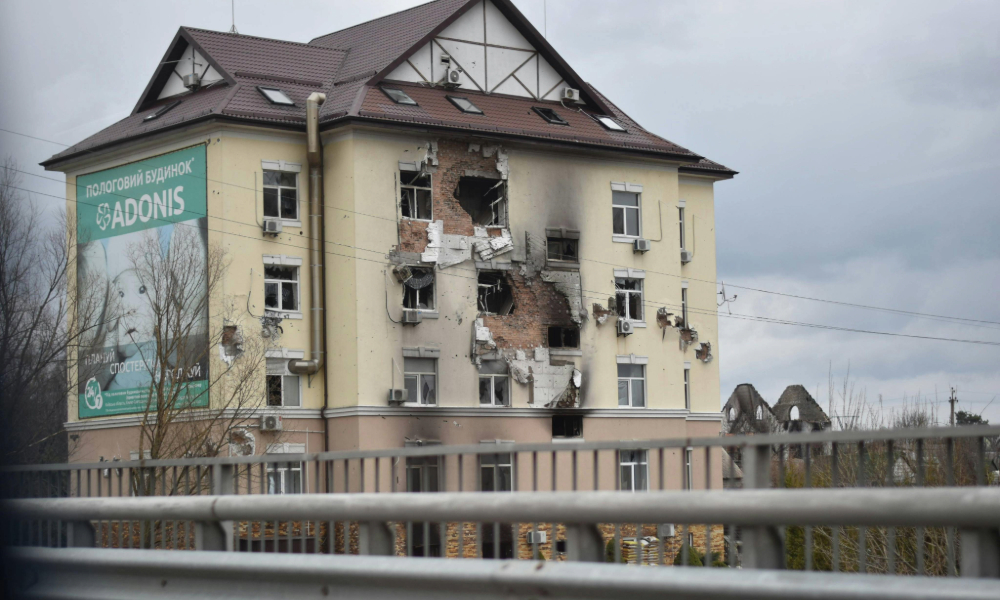
- Structural impacts
- Vehicle strikes to loading docks, columns, or storefronts
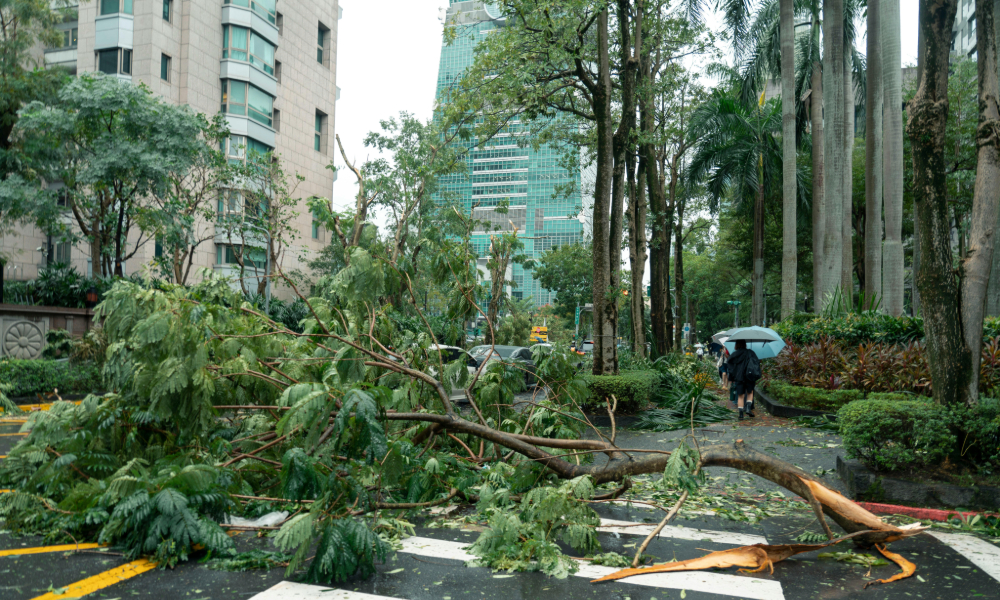
- Fallen trees or large debris hitting roofs and walls
- Partial collapses of canopies, parapets, or façade elements
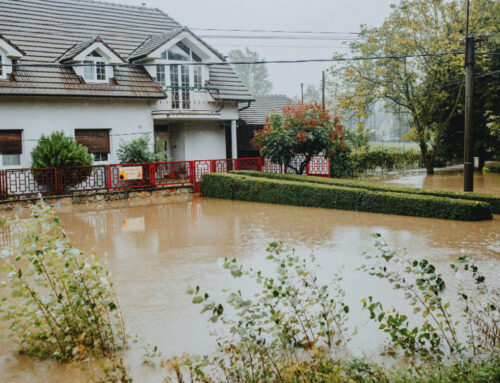
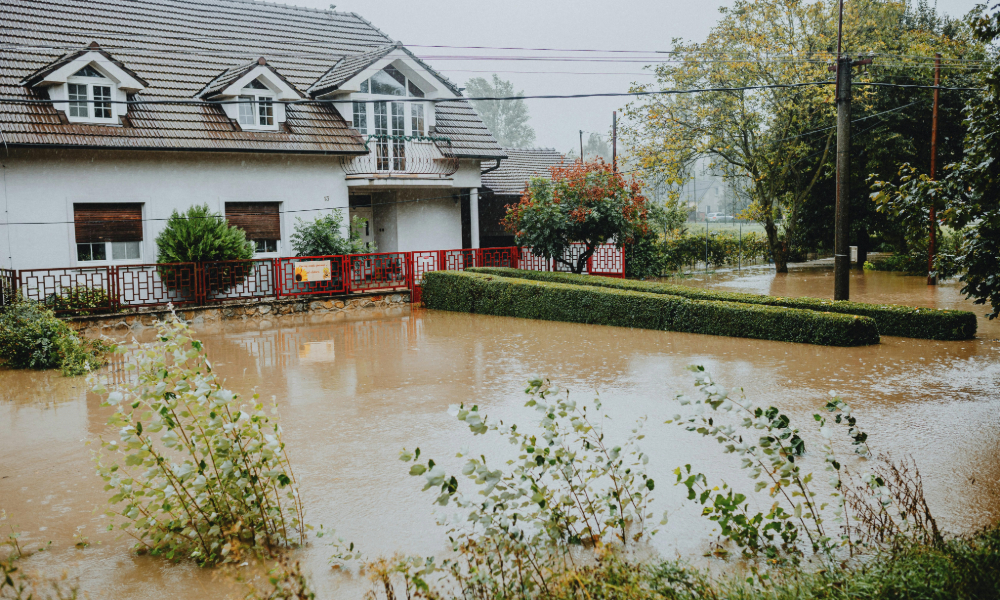
- Water intrusion and flooding
- Major roof leaks affecting tenant spaces, production, or common areas
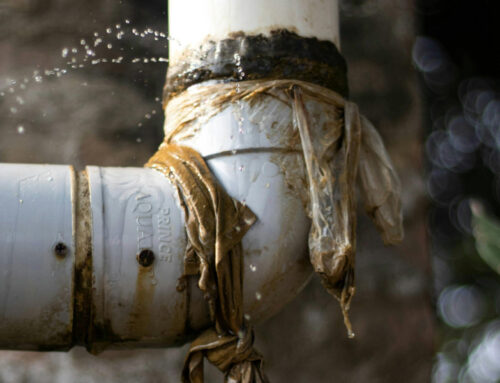
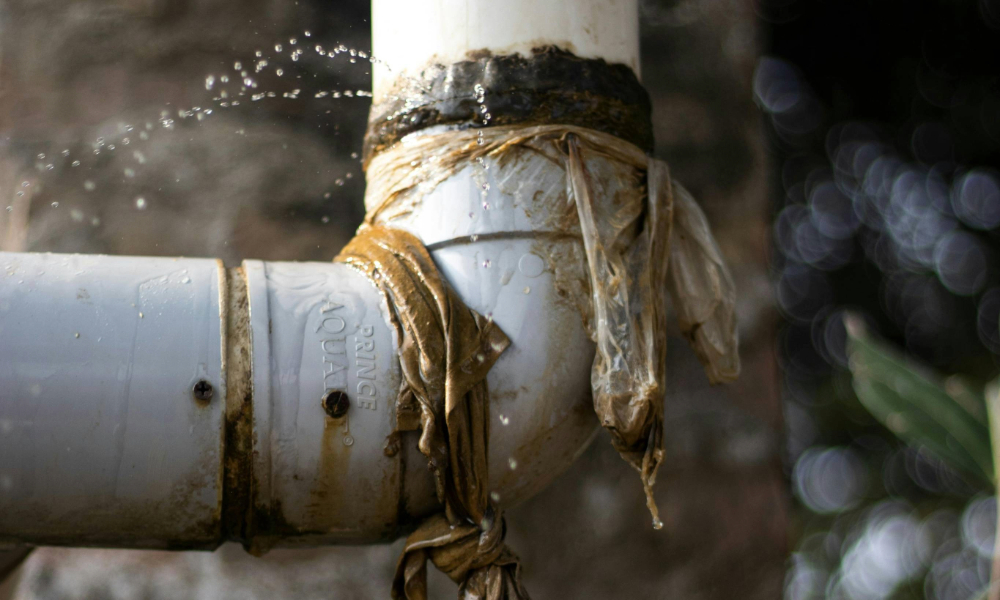
- Burst pipes or sprinkler line failures
- Floodwater entering the building
- Fire and smoke damage
- Compromised roof structure, walls, or framing after a fire
- Open or exposed areas that must be secured from weather and trespass
- Security-related damage
- Forced entry that leaves doors, windows, or storefronts unusable
- Broken overhead doors or access points that leave the property exposed
If the damage affects your ability to safely occupy the building, keep weather out, or secure the property, it’s a construction emergency—even if you’re still open for business.
Why Speed and Coordination Matter
In an emergency, there are four core priorities:
- Keep people safe.
Make sure employees, tenants, customers, and responders are not exposed to structural risks, live electrical hazards, or unsafe conditions. - Stop further damage.
Every minute that water is entering a building, or a roof opening is exposed to the elements, the potential loss grows. - Document the loss.
Clear photos, notes, and a professional assessment are critical for insurance and future repair planning. - Plan the path forward.
You need more than a patch—you need a plan for temporary stabilization and permanent repairs or reconstruction.
Trying to coordinate multiple vendors in the middle of a crisis—one for tarping, one for board-up, one for structural work, another for interior build-back—creates confusion and gaps. A qualified commercial contractor can take the lead, bringing in the right resources and keeping everyone aligned.
What Commercial Emergency Construction Services Typically Include
Every event is different, but most commercial emergencies fall into a few broad categories of response. Wolf River Construction’s role is to stabilize and protect first, then move you toward permanent repair.
Common emergency services include:
- Temporary weather protection
- Roof tarping and patching
- Temporary coverings for damaged walls, ceilings, and roof openings
- Protection for exposed mechanical and electrical systems
- Board‑up and security
- Securing broken doors, windows, storefronts, and overhead doors
- Temporary fencing or barriers where needed
- Ensuring unauthorized entry is minimized
- Structural stabilization
- Shoring of damaged walls, beams, or columns (in coordination with engineers when required)
- Temporary bracing of weakened canopies, parapets, or façade elements
- Water intrusion control
- Isolating active leaks
- Coordinating with mitigation/restoration vendors for water extraction and drying
- Protecting critical areas (electrical rooms, servers, inventory, tenant spaces)
- Assessment and planning
- On‑site damage assessment with photos and notes
- Initial scope for emergency measures
- Follow‑up scope and estimate for permanent repairs or reconstruction
The goal of emergency construction work is straightforward: make the building safe and watertight again as quickly as possible, so you can focus on running your business and working with your insurer.
Emergency vs. Routine Construction Work: What’s Different
Routine construction or maintenance is planned. You have time to gather bids, compare options, and schedule work around operations.
Emergency work is different:
- Time‑sensitive.
Delays increase damage, costs, and business interruption. - Insurance-driven.
Many emergency projects end up as insurance claims, which means documentation, scopes, and communication with adjusters matter. - High stakes.
Tenants, employees, inventory, equipment, and brand reputation can all be affected by how quickly and how well you respond.
That’s why emergency services demand a contractor who is comfortable making fast, clear decisions, coordinating with other professionals, and communicating with all stakeholders.
What to Do in the First Hour After Damage
The first hour after you discover serious damage is often the most stressful. Having a simple checklist helps.
If it’s safe to do so:
- Ensure everyone is safe.
- Evacuate affected areas if there’s any doubt about structural integrity, fire, or electrical hazards.
- Call 911 for fire, structural collapse, or any life‑safety concern.
- Shut off utilities if necessary and safe.
- Water: to stop flooding from broken lines.
- Electricity or gas: only if directed and safe to do so.
- Capture basic photos and video.
- Quick snapshots of the affected areas can help later—but only if you can do this without putting anyone at risk.
- Call an emergency construction partner.
- Contact Wolf River Construction to assess the situation and dispatch a crew for stabilization, board‑up, or temporary repairs.
- Then contact your insurance carrier.
- With a construction professional already involved, you’ll be better informed when you describe the damage and discuss next steps.
You don’t need to have all the answers before you call. Part of our job is to help you understand what’s happened and what needs to happen next.
How Wolf River Construction Handles an Emergency Call
When you reach out to Wolf River Construction for commercial emergency services, we follow a clear process designed to reduce chaos and create a path forward.
- Initial intake call
We gather key information:- Type and location of property
- Nature and extent of visible damage
- Any active hazards (water, fire aftermath, structural concerns)
- Immediate access or security issues
- Rapid on‑site assessment
Our team mobilizes to your site to:- Inspect the affected areas
- Identify safety concerns and priorities
- Begin documenting conditions with photos and notes
- Immediate stabilization and protection
Based on what we find, we implement urgent measures such as:- Tarping and temporary roof repairs
- Board‑up of broken openings
- Shoring or bracing of compromised building elements
- Coordination with mitigation/restoration companies if water or fire is involved
- Documentation for you and your insurer
We provide:- A description of observed damage
- Photos and notes capturing the state of the building
- A scope and estimate for both emergency measures and permanent repairs, as appropriate
- Planning permanent repairs or reconstruction
Once the building is secure:- We work with you, your insurer, and, when needed, engineers or code officials.
- We develop a plan and schedule to bring the building back to full function with minimal disruption.
Our role is to be the steady hand in a disruptive moment—addressing the emergency now while also looking ahead to full restoration.
Why You Want a Construction Partner, Not Just a Vendor
In an emergency, the last thing you want is to be flipping through search results trying to pick a random contractor with no relationship or track record.
Having a trusted construction partner in place before something goes wrong offers real advantages:
- Faster response.
A partner who already understands your facility and operations can mobilize quickly and prioritize what matters most. - Better decisions under pressure.
Instead of piecing together advice from multiple vendors, you have one point of contact who sees the whole picture. - Smoother path from emergency to completion.
The same team that stabilized your building can often handle, or coordinate, the permanent repair or reconstruction work—reducing delays and miscommunication.
Emergency construction services are not just about fixing what broke. They’re about protecting your people, your property, and your ability to operate.
Be Prepared Before You Need Help
You can’t schedule a storm, a pipe break, or a vehicle strike—but you can decide who you’ll call when it happens.
Wolf River Construction provides emergency construction services for businesses, including stabilization, temporary repairs, board‑up, and coordinated planning for permanent restoration.
If you’re facing an emergency now—or if you want to talk through contingency planning for your properties—start here:
👉 Visit our Emergency Services for Business page and use the quote form to get in touch:
https://wolfriver.construction/commercial/commercial-emergency-services/emergency-services-for-business/
Share that link with your team, bookmark it, and keep our information handy. When the unexpected happens, having a plan—and a partner—makes all the difference.