You Don’t Have To Figure It All Out Alone
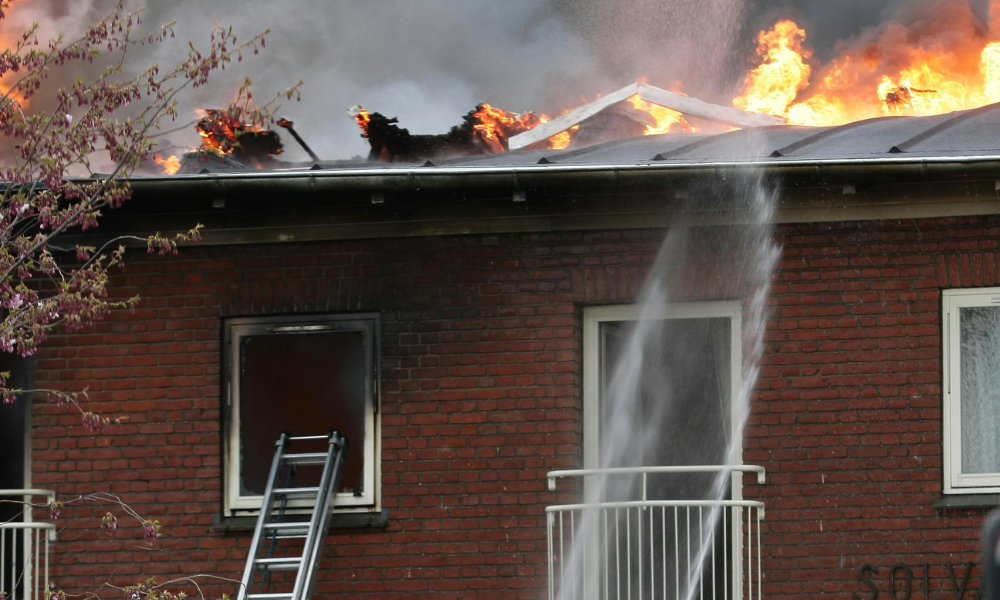
Even a small fire can change everything in a matter of minutes.
Maybe it was a kitchen flare‑up from cooking oil. Maybe an electrical outlet sparked and scorched part of a wall. Maybe a candle got too close to a curtain.
The flames might have been contained quickly, but you’re still left with:
- Smoke odor that won’t go away
- Soot on walls, ceilings, and belongings
- Charred materials or melted finishes
- Possible water damage from putting the fire out
The question most homeowners ask next is: “How do we actually repair this?”
At Wolf River Construction, we help homeowners across Minnesota, South Dakota, North Dakota, Wisconsin, and Iowa rebuild after localized fire damage. This guide walks you through what to do after a small house fire, what you can safely handle yourself, and when to bring in a professional.
Step 1: Make Sure It’s Safe To Re‑Enter
Even after a “small” fire, safety comes first.
Before you start cleaning:
- Wait for the all‑clear.
If the fire department responded, follow their guidance about when it’s safe to go back in. - Watch for structural issues.
Look for:- Sagging ceilings or joists near the burned area
- Charred or cracked framing
- Buckled flooring
- If anything looks unstable, do not walk on it or lean on it. That’s the point where a contractor should inspect before you move forward.
- Be careful with utilities.
- If the fire started near an outlet, switch, or appliance, keep that circuit off.
- If gas was involved, make sure the gas is shut off until a professional checks it.
When in doubt, err on the side of caution and have a qualified professional take a look before you assume everything is structurally fine.
Step 2: Document The Damage Before You Touch Anything
Before you start cleaning or throwing items away, take time to document.
- Photograph everything.
- Take wide shots of the entire room.
- Then take close‑ups of burned or smoke‑damaged areas.
- Don’t forget adjacent spaces that look “mostly fine” but smell like smoke.
- Record short videos.
Walk through the area and narrate what happened and what you’re seeing. This helps you remember details later. - Make basic notes.
Jot down:- Where the fire started (as best you know)
- Rough timeline of how long it burned
- What you did to put it out (fire extinguisher, water, etc.)
Even if you’re not planning to file a major insurance claim, this documentation can help contractors understand the scope and cause of the damage and make better recommendations.
Step 3: Ventilate The Space (Carefully)
Smoke odor is one of the biggest frustrations after a small fire. It lingers in the air, on surfaces, and inside soft materials.
To start clearing it out:
- Open windows and doors in the affected area if weather and safety allow.
- Use fans to push air out of the room, not just stir it around. Point fans toward open windows or doors to help exhaust smoky air.
- Avoid running your HVAC system until you know whether smoke has entered the ductwork; otherwise you may spread odor throughout the house.
Ventilation won’t remove all odors, but it’s a good first step and makes the area safer and more comfortable to work in.
Step 4: Decide What You Can Clean Yourself vs. When To Call A Pro
Not all fire damage is the same. There’s a big difference between:
- Light smoke on painted walls and cabinets
- A scorched section of drywall or trim
- Charred studs, melted wiring, or damaged structural components
As a rule of thumb:
Generally reasonable homeowner tasks:
- Light surface cleaning of hard, undamaged surfaces
- Washing fabrics that only have minor smoke exposure
- Simple cosmetic repainting once the area is properly cleaned and dried
Tasks best left to professionals:
- Removing and replacing burned drywall or insulation
- Assessing and repairing any structural members (studs, joists, subfloor, roof framing)
- Addressing any electrical components that may have been exposed to heat
- Deep smoke and soot remediation, especially if odor is persistent or widespread
Why? Because heat affects more than what you see on the surface. Materials can be weakened, wiring compromised, and hidden cavities filled with soot and odor.
If there’s any sign that the fire reached behind walls, above ceilings, or into structural members, it’s time to have a contractor assess before you start tearing into anything.
Step 5: Start With Dry, Loose Soot – Not Harsh Scrubbing
Once it’s safe and you’ve decided what you’ll tackle yourself, you can begin light cleaning.
Important: Soot can be acidic and can stain or damage surfaces if handled incorrectly.
A simple starting approach for light damage:
- Dry removal first.
Use a soft brush or vacuum with a brush attachment to gently remove loose soot from hard surfaces. Avoid pressing soot into the surface. - Use the right cleaners on the right surfaces.
- For painted walls and ceilings with light smoke staining, a mild detergent solution and gentle wiping may help.
- For cabinets and hard furniture, a cleaner specifically designed for smoke/soot can be more effective.
- Test a small area.
Always test any cleaner in an inconspicuous spot first to make sure it doesn’t damage or discolor.
If soot is thick, greasy, or widespread—or if you’re dealing with porous materials like unfinished wood or textured ceilings—it may be time to call in a restoration or construction pro. Aggressive scrubbing can drive soot deeper and make final repairs more difficult.
Step 6: Remove Damaged Materials Safely
If the fire burned through drywall, trim, or other building materials, those sections usually need to be removed and replaced—not just painted over.
A typical small‑fire repair might involve:
- Cutting out burned drywall back to clean, undamaged material
- Removing any insulation that was directly exposed to smoke or heat
- Inspecting underlying framing (studs, plates, joists) for charring or structural compromise
This is the point in the process where many homeowners realize they’re more comfortable with a contractor managing the work.
A professional can:
- Determine how far to demo based on code, safety, and long‑term durability
- Make sure any hidden damage is addressed, not just covered up
- Coordinate any related trades (e.g., electrician) if wiring, outlets, or fixtures were affected
Wolf River Construction often helps homeowners at exactly this stage: after the initial cleanup, when it’s time to make smart decisions about what needs to come out and how to rebuild correctly.
Step 7: Rebuild And Restore The Space
Once cleaning and necessary demolition are complete, the focus shifts to putting everything back together.
A typical localized fire repair project may include:
- Framing repairs if any studs or structural members were affected
- New insulation in walls or ceilings where materials were removed
- New drywall and taping to restore walls and ceilings
- Primer and paint designed to help seal in any residual odor in construction materials
- Replacement of finishes:
- Trim and baseboards
- Cabinets or countertops in a kitchen fire
- Flooring in areas where embers, water, or chemicals caused damage
For many homeowners, this is also an opportunity to make updates—such as choosing new paint colors, upgrading finishes, or improving lighting—while the space is already under repair.
Our role at Wolf River Construction is to guide you through those choices, keep the project on schedule, and make sure the final result is safe, clean, and feels like “home” again.
Step 8: Don’t Forget About Smoke Odor
Even after visible damage is repaired, smoke odor can linger if it’s not addressed properly. That’s because smoke particles can penetrate:
- Porous building materials
- Insulation
- Carpeting and upholstery
- HVAC ducts
For light, localized fires, thorough cleaning plus sealing and repainting may be enough. For more stubborn cases, professionals may use:
- Specialized cleaners and sealers for smoke‑damaged surfaces
- HEPA filtration during cleaning and construction
- Deodorization methods designed specifically for smoke
The goal is to make sure you don’t just “cover up” the smell temporarily, but truly address it so it doesn’t come back after a few weeks.
When To Call Wolf River Construction
You don’t have to become an expert in fire restoration to get your home back to normal. You just need to know when to bring in help.
For homeowners in Minnesota, South Dakota, North Dakota, Wisconsin, and Iowa, it’s a good idea to call Wolf River Construction if:
- The fire affected walls, ceilings, or structural components
- There’s visible charring, buckling, or cracking in building materials
- You’re unsure how far the damage extends behind what you can see
- You’re comfortable handling some light cleanup, but need a trusted pro to:
- Assess structural safety
- Plan demolition and reconstruction
- Restore finishes so the room looks and functions like it should again
Our team can:
- Walk the space with you
- Identify what needs to be removed versus what can be cleaned
- Provide a clear plan and scope of work
- Manage the repair process from first inspection to final walkthrough
Even a small, contained fire is a big event in your home. It’s disruptive, stressful, and often more complicated than it looks on the surface.
The repair process doesn’t have to add to that stress.
If you’ve experienced localized fire damage and you’re not sure what to do next, reach out to a trusted contractor who understands both home structure and real‑world restoration.
In MN, SD, ND, WI, and IA, Wolf River Construction is here to help you:
- Make your home safe again
- Remove damaged materials correctly
- Rebuild the space so you can move forward with confidence
You don’t need all the answers today. You just need the right next step—and the right team to walk it with you.