Flat Roofs Are Built for Commercial Use
For commercial building owners and property managers, the roof is not just another part of the structure. It is a major operational asset. When it performs well, tenants stay comfortable, equipment stays protected, maintenance stays manageable, and business disruption stays to a minimum. When it fails, the consequences can spread quickly through the building in the form of leaks, damaged interiors, interrupted operations, and unplanned expenses.
That is why roofing decisions should never be treated as cosmetic or routine. They are business decisions. They affect cost, performance, long-term planning, and the overall value of the property.
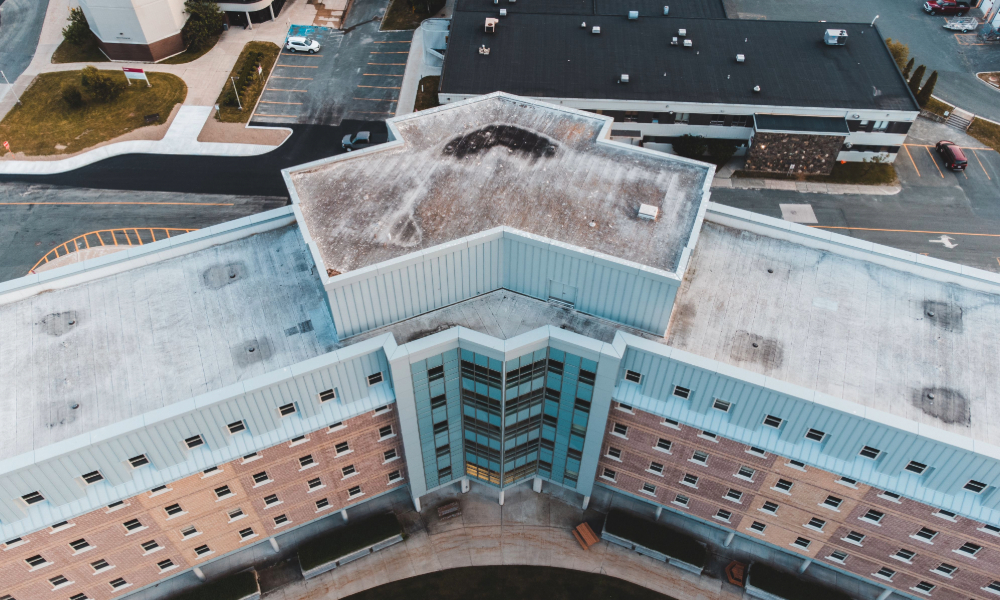
For many commercial buildings, flat roofing systems offer clear advantages. While some people still assume flat roofs are a basic or limited option, the reality is that they are often the most practical solution for commercial properties. From cost efficiency and easier access to equipment support and maintenance planning, flat roofs are designed around function. For business owners and property managers in Minnesota, Iowa, Wisconsin, North Dakota, and South Dakota, that function matters even more because roofing systems in the Upper Midwest must stand up to changing temperatures, snow, wind, rain, and long seasonal demands.
At Wolf River Construction, we work with commercial clients who need roofing systems that do more than simply cover the building. They need systems that support the day-to-day realities of ownership and management. A well-built flat roof can do exactly that.
There is a reason flat roofs are so common on offices, warehouses, retail buildings, industrial properties, multifamily buildings, and mixed-use developments. They fit the way commercial buildings operate.
Most commercial properties require more from a roof than residential structures do. A commercial roof often needs to support mechanical systems, allow access for inspection and service, simplify drainage planning, and work across large square footage efficiently. Flat roofs are particularly well suited to those demands because their design prioritizes practicality.
For a property owner or manager, that practicality can translate into better control. The roof becomes easier to access, easier to plan around, and easier to integrate with the systems that keep the building running. That matters whether you manage a single retail building in Iowa, a warehouse in Minnesota, a multifamily property in Wisconsin, or a commercial facility in North Dakota or South Dakota.
Cost Efficiency Matters in Commercial Roofing
One of the most common reasons commercial owners choose flat roofing is cost efficiency. On many large buildings, flat roofs can be more economical to install than steep-slope systems because they typically involve simpler structural geometry and roofing materials designed for broad, continuous coverage.
That simpler layout often helps reduce labor complexity during installation. It can also make planning and staging more straightforward, especially on larger commercial footprints. For owners managing budgets carefully, this can make a meaningful difference when comparing roofing options.
Of course, cost should never be confused with cutting corners. A flat roof still needs the right membrane, insulation, drainage design, edge detailing, flashing, and professional installation in order to perform over time. The point is not that flat roofs are cheap. The point is that they can offer better value for the way many commercial buildings are built and used.
Over the long term, that value becomes even more important. If a roofing system is easier to inspect, maintain, and repair, owners and managers may be in a much better position to avoid larger expenses later.
Easier Access Supports Better Maintenance
One of the biggest practical benefits of a flat roof is accessibility. Commercial roofs need regular attention. They should be inspected, monitored, and maintained, especially after harsh weather, freeze-thaw cycles, snow accumulation, or seasonal storms. A flat roof makes that process easier for qualified professionals.
Compared to steep roofing systems, flat roofs generally allow technicians to move more safely and efficiently during inspections and service calls. That improved access can make it easier to spot drainage issues, seam separation, flashing wear, membrane damage, and other early warning signs before they turn into major problems.
This is especially important in states like Minnesota, Wisconsin, Iowa, North Dakota, and South Dakota, where commercial roofs are exposed to a wide range of seasonal conditions. Snow loads, ice, spring rain, summer storms, and fluctuating temperatures all place stress on exterior systems. When a roof is easier to inspect and maintain, property owners have a better chance of catching small issues early.
That kind of proactive care matters. Many expensive roof failures begin as manageable maintenance problems that were simply not addressed in time.
Flat Roofs Create Space for Rooftop Equipment
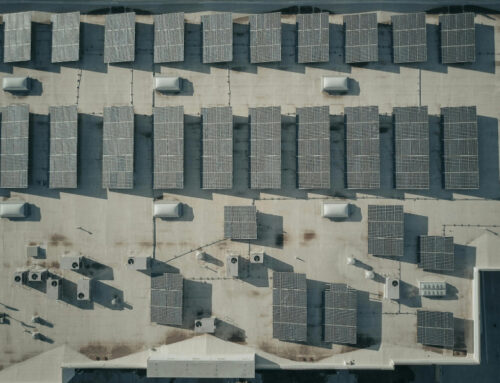
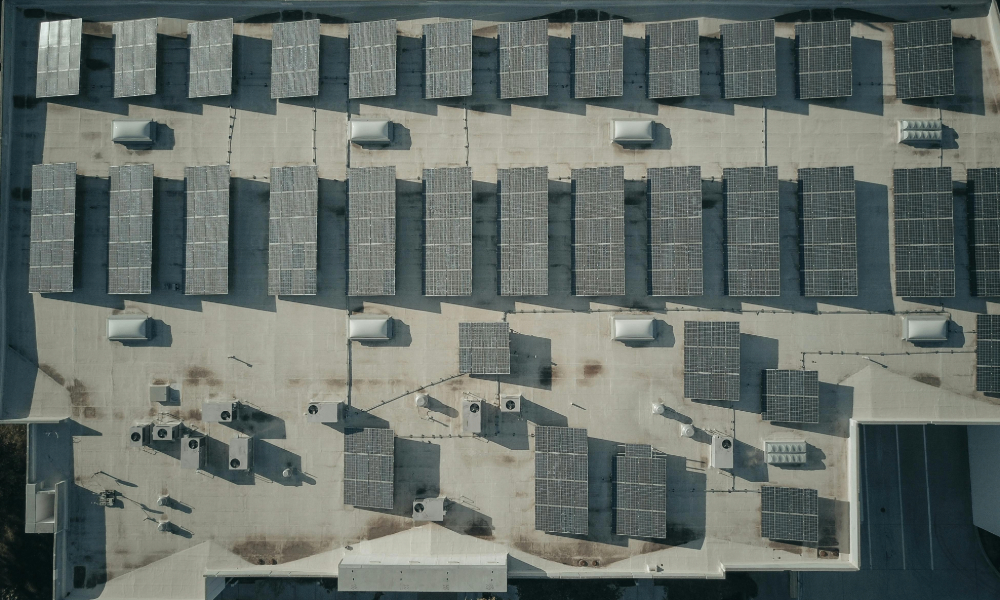
Commercial buildings often rely on rooftop equipment to support heating, cooling, ventilation, and other building operations. One of the major advantages of a flat roof is that it provides a more practical platform for placing and servicing that equipment.
HVAC systems, vents, and related mechanical components can often be installed more efficiently on a flat roof, preserving valuable interior and ground-level space. For building owners, this can improve the overall functionality of the property. Interior square footage remains available for tenant use, operations, storage, or revenue-generating activity, rather than being sacrificed to equipment needs.
There is also a site-planning advantage. Keeping major mechanical systems on the roof can reduce clutter around the perimeter of the building and improve the appearance and usability of exterior areas. For property managers, that can mean cleaner access points, better circulation, and fewer conflicts between building systems and tenant activity.
This is one of the clearest examples of how a roof contributes to the performance of the entire property. A flat roof is not just a covering. It is a working part of the building’s infrastructure.
Energy Performance Can Improve With the Right Flat Roof System
Energy costs are a major concern for many commercial building owners, and roofing plays a bigger role in energy performance than some people realize. Modern flat roofing systems can support strong thermal performance when they are designed with the right insulation and materials.
Many flat roof assemblies accommodate continuous insulation in ways that help improve the building envelope and reduce unwanted heat transfer. Reflective membranes can also help reduce rooftop heat absorption, which may lower cooling demand in some commercial settings. According to the U.S. Department of Energy, cool roofs can help reduce roof temperatures and improve energy efficiency in buildings with significant air-conditioning needs. Source: U.S. Department of Energy, Energy Saver, “Cool Roofs.”
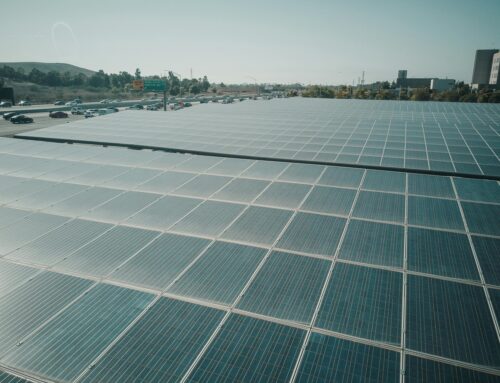
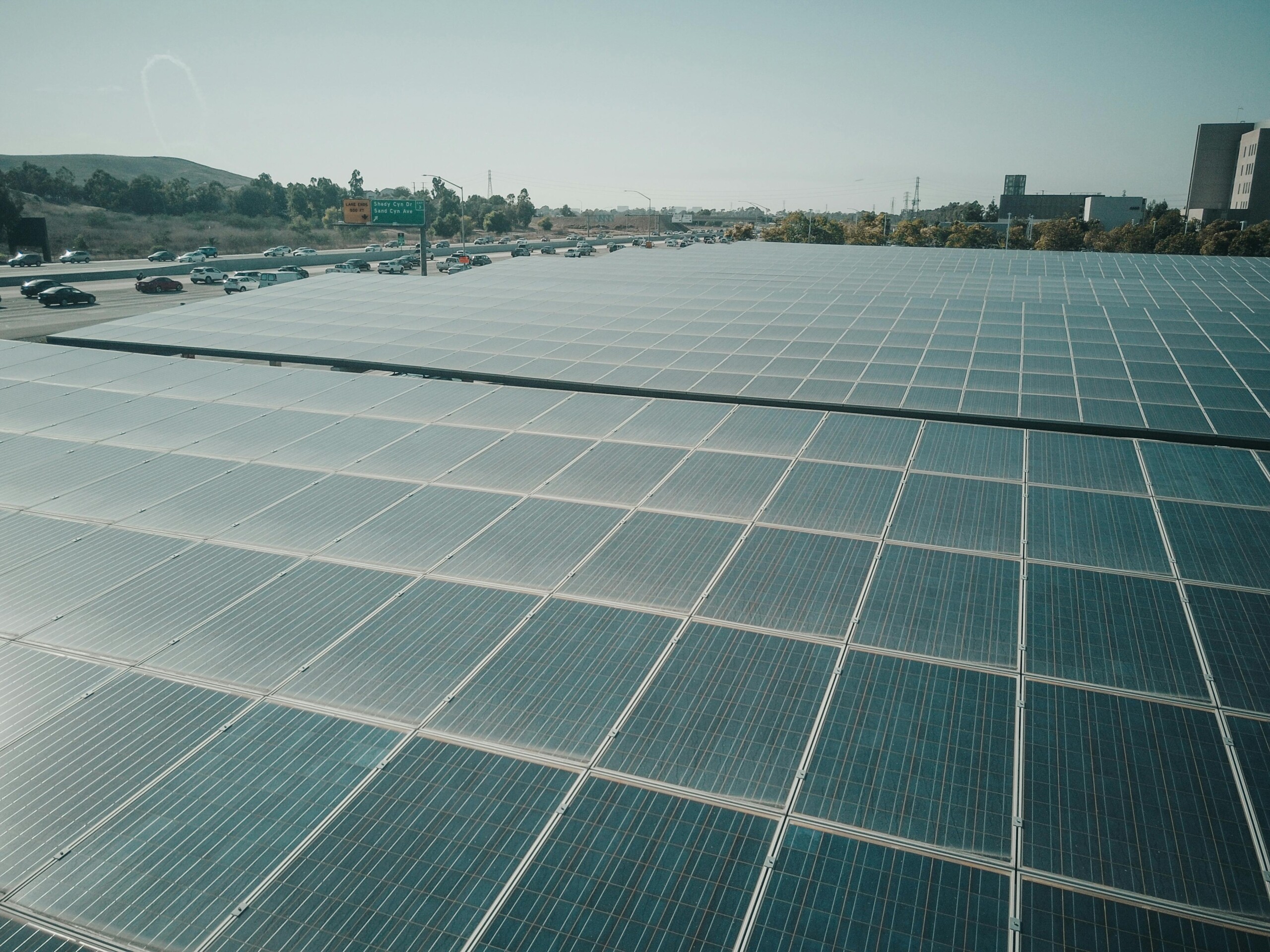
For owners planning long-term capital improvements, flat roofs may also create opportunities for future upgrades, including solar integration or other rooftop improvements. That added flexibility can support broader business goals around efficiency, operating costs, and property modernization.
In a market where commercial owners are constantly balancing maintenance costs against asset performance, a roof that supports energy strategy is a meaningful advantage.
Repairs and Future Changes Are Often More Manageable
Commercial buildings are rarely static. Tenants change. Layouts change. Equipment changes. Usage changes. Over time, the building may need new penetrations, upgrades, repairs, or modifications to support evolving operations.
Flat roofs often make those adjustments easier to manage. Because the roof geometry is simpler and more accessible, repair work and modifications can often be completed more efficiently than on more complex roof structures. Whether a property needs a targeted repair, drainage improvement, flashing update, or accommodation for new rooftop equipment, a flat roofing system may offer a more practical path forward.
That flexibility is important for property managers who need solutions that can adapt with the building. It is also valuable for owners who think in terms of lifecycle performance rather than one-time installation.
No roofing system is maintenance-free, and flat roofs are no exception. But a roof that is easier to service, easier to inspect, and easier to adapt can provide real operational value over time.
The Real Issue Is Quality, Not Roof Shape
Flat roofs sometimes get an unfair reputation because of stories about ponding water or recurring leaks. In most cases, those problems are not caused by the idea of a flat roof itself. They are caused by poor planning, poor drainage design, poor installation, or neglected maintenance.
A commercial flat roof should never be treated as literally flat. It must be designed to move water effectively, protect vulnerable areas, and perform across seasonal weather conditions. Membrane quality, insulation strategy, drainage slope, flashing details, penetrations, and workmanship all matter.
This is especially true in the Upper Midwest. In Minnesota, Iowa, Wisconsin, North Dakota, and South Dakota, commercial roofs must be built to handle serious seasonal stress. That includes snow, ice, temperature swings, and storm exposure. A flat roof installed without careful attention to these realities is more likely to create problems. A flat roof installed correctly, by contrast, can provide dependable and lasting performance.
That is why choosing the right contractor is just as important as choosing the right roofing system. Commercial owners and property managers need a team that understands how roofing affects the full building, not just the top layer of it.
Why Flat Roofs Make Sense for Businesses in the Midwest
For commercial clients in the Midwest, practical building decisions matter. You need systems that can be maintained efficiently, support your operations, and hold up under local weather conditions. You also need investments that make sense from a cost and asset-management standpoint.
A flat roof can check all of those boxes. It can offer installation efficiency on larger buildings. It can simplify routine inspections and maintenance. It can provide a practical location for HVAC and other equipment. It can support energy goals. And it can make future repairs and modifications easier to manage.
For owners and managers overseeing commercial properties in Minnesota, Iowa, Wisconsin, North Dakota, and South Dakota, these are not small advantages. They affect budgeting, planning, tenant experience, and long-term building value.
Work With a Commercial Roofing Partner Who Understands Your Property
At Wolf River Construction, we understand that a commercial roof is part of a much larger picture. It helps protect your tenants, your operations, your equipment, and your investment. That is why we approach commercial roofing with a focus on practical performance, clear communication, and quality workmanship.
Whether you are evaluating a flat roof for a new commercial property, planning a replacement, or trying to better understand how your current roof is performing, our team is here to help. We work with commercial building owners and property managers across Minnesota, Iowa, Wisconsin, North Dakota, and South Dakota to provide roofing solutions that are built around real business needs.
The right roof should make ownership easier, not more uncertain. If you are ready to talk through your options and determine whether a flat roofing system is the right fit for your property, contact Wolf River Construction for a free quote and a straightforward conversation about your next step.