Water In The Basement Can Mean Several Different Problems
You walk downstairs and stop short.
There’s water on the floor. Maybe just a small puddle near a wall. Maybe a damp carpet. Maybe there’s a musty smell that wasn’t there before.
Your first thought is usually: “This can’t be good.”
Your second thought is: “Who am I supposed to call for this?”
Is it a plumber problem? A foundation issue? A “just get a shop vac” situation? Or do you need a general contractor?
At Wolf River Construction, we talk to homeowners across Minnesota, South Dakota, North Dakota, Wisconsin, and Iowa who are asking that exact question. “Water in the basement” can mean a few different things—and the right person to call depends on what you’re seeing.
This guide will walk you through:
- Why basement water happens in the first place
- A quick safety and triage checklist
- Who to call in the most common scenarios
- When it makes sense to call a contractor like Wolf River first
- What you can do while you wait for help
“Water in the basement” isn’t a single diagnosis. It’s a symptom.
Some of the most common causes include:
- Plumbing or appliance leaks
- Burst or leaking pipes
- Failed water heaters
- Washing machine, utility sink, or softener issues
- Groundwater and seepage
- Heavy rain or rapid snow melt
- High water table pushing moisture through walls or slab
- Poor grading or drainage around the foundation
- Foundation issues
- Cracks in walls or floors
- Failing drain tile or sump system
- Long-term exterior water management problems
- Condensation and humidity
- Warm, humid air hitting cool basement surfaces
- Poor ventilation
- Uninsulated pipes or ducts “sweating”
Some of these are one-time events. Others are warning signs of a recurring or structural issue.
Before you can decide who to call, it helps to do a quick safety and triage check.
Step One: Safety And Triage
Before you step into the water and start moving stuff around, pause and look at the situation as a whole.
Check 1: Is there standing water near electrical sources?
- If water is touching electrical outlets, power strips, extension cords, or electrical panels, be extremely careful.
- Don’t walk through deep or standing water that might be energized.
- If you suspect electrical danger, this is a “stop and call a pro” situation—potentially even your utility or an electrician for guidance.
Check 2: How much water is there?
- Damp spots or small puddles near a wall or appliance
- A thin sheet of water across part of the floor
- Several inches of standing water
The more water there is—and the faster it’s appearing—the more urgent the response.
Check 3: Is the water actively entering, or is it just sitting there?
- If you can see water actively flowing in (from a wall crack, a pipe, or a floor drain), that’s a different scenario than a one-time puddle after last night’s storm.
- If water keeps returning in the same place after rain or snow melt, that’s a recurring pattern you don’t want to ignore.
Once you’ve done this quick assessment, you can start narrowing down who to call.
Who To Call Based On What You’re Seeing
Let’s connect the dots between the symptom and the right type of professional.
1. If Water Is Coming From A Pipe, Fixture, Or Appliance
What it looks like:
- Water pooling under a water heater, washing machine, or utility sink
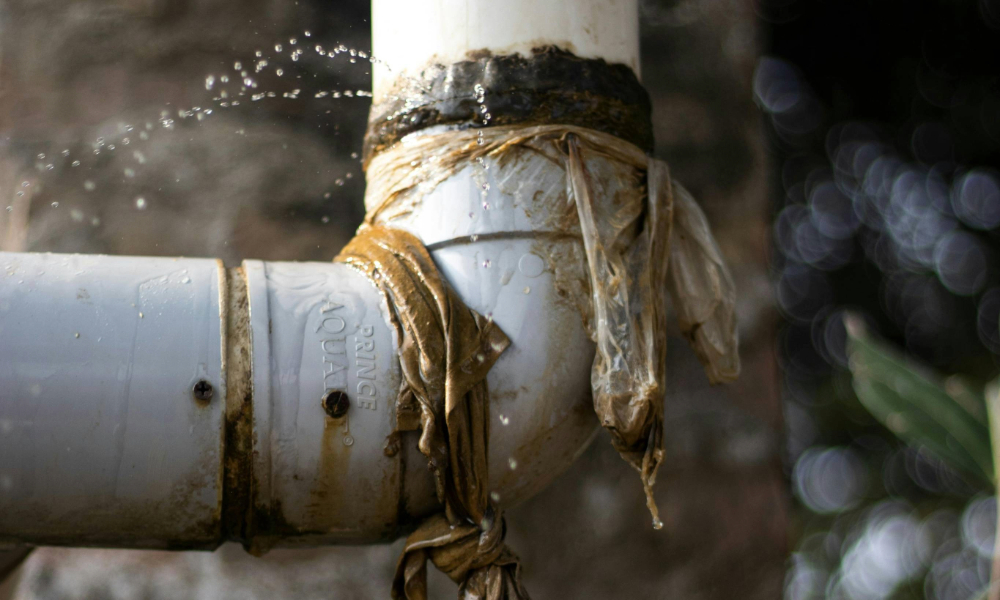
- Dripping or spraying from visible pipes
- Water near a bathroom or kitchen lines that run over the basement
Who to call first:
A licensed plumber or the appropriate appliance technician.
Why:
If the source is clearly part of your plumbing system or a specific appliance, you want to stop the water at the source as quickly as possible. A plumber can:
- Shut off and repair leaking lines or fixtures
- Replace failed valves, fittings, or sections of pipe
- Help you prevent the same issue from happening again
Where a contractor like Wolf River comes in:
Once the leak is stopped, you may be left with:
- Wet drywall or insulation
- Damaged framing
- Ruined flooring or baseboards
That’s where a general contractor steps in to assess the damage and repair the structure and finishes, not just the plumbing.
2. If Water Seeps In After Rain Or Snow Melt
What it looks like:
- Water lines or damp spots on basement walls that appear after storms
- Puddles along the perimeter of the basement
- A musty smell that gets worse after wet weather
- Efflorescence (white, powdery staining) on concrete
Who to call first:
A foundation or waterproofing contractor or a general contractor who understands building envelopes and basements.
Why:
This type of water usually isn’t from a broken pipe; it’s from outside water finding its way in. The root cause could be:
- Poor grading and drainage around the home
- Clogged or missing gutters and downspouts
- Hydrostatic pressure forcing water through walls or floor
- Cracks or weak spots in the foundation
If you already know you have clear foundation cracks or drain tile issues, a foundation/waterproofing specialist can be a good first call.
If you’re not sure where the problem starts—or you already have finished walls and floors that are damaged—starting with a general contractor can save time. They can assess both:
- The source of the water, and
- The extent of the damage to your finished space.
Contractors like Wolf River Construction often serve as that first point of contact, then bring in more specialized partners if needed.
3. If You Have A Finished Basement With Visible Damage
What it looks like:
- Wet or buckling laminate or wood flooring
- Carpet soaked or smelling musty
- Swollen or crumbling baseboards and trim
- Staining or sagging on drywall walls or ceilings
Who to call first:
A general contractor.
Why:
In a finished basement, water doesn’t just sit on concrete. It soaks into:
- Flooring and underlayment
- Baseboards and drywall
- Insulation and framing behind walls
You likely need more than just “dry it out and move on.” A contractor can:
- Open up the right areas to check for hidden moisture
- Remove and replace damaged materials
- Help prevent mold and long-term structural issues
If the source turns out to be plumbing, drainage, or foundation-related, the contractor can coordinate with the right specialists during the repair process.
4. If You’re Not Sure Where The Water Is Coming From
Sometimes the basement is wet and none of the obvious clues are there.
You might see:
- A damp patch in the middle of the floor
- General humidity and condensation on cold surfaces
- Intermittent wet spots that don’t clearly match rain or plumbing use
Who to call first:
A general contractor who works regularly with basements and building envelopes.
Why:
When the source is unclear, you want someone who can:
- Look at plumbing, drainage, and structure with a trained eye
- Rule out or confirm likely causes
- Recommend the right next specialist if needed
This is where homeowners in MN, SD, ND, WI, and IA often call Wolf River Construction. You don’t have to make the perfect diagnosis before you pick up the phone. That’s part of what we help you figure out.
How A Contractor Like Wolf River Typically Helps
When water shows up in a basement and there’s any impact to the structure or finishes, a contractor’s role usually includes:
- Assessment
- Walk-through of the basement interior
- Check walls, floors, and ceilings for moisture and damage
- Look at exterior factors: grading, gutters, downspouts, visible cracks
- Identify Likely Cause(s)
- Plumbing vs. groundwater vs. condensation
- One-time event vs. recurring pattern
- Need for additional specialists (plumber, foundation/waterproofing, etc.)
- Plan The Repair
- What needs to be removed (flooring, drywall, insulation)
- What can be dried and cleaned
- What needs to be re-built or upgraded
- Execute The Work
- Demo of damaged materials
- Drying and remediation as needed
- Structural repairs if any framing or subfloor is impacted
- Rebuilding finishes so the space is functional and safe again
The goal isn’t just to “make it look dry.” It’s to address the root cause and repair the affected areas so they hold up over time.
What You Can Do Right Now (Before Anyone Arrives)
There are a few simple steps you can safely take to protect your home and belongings while you’re waiting for a plumber, contractor, or other pro.
- Move belongings out of harm’s way.
- Get boxes, furniture, and electronics off the floor.
- Prioritize items that are directly in the path of water or sitting in damp areas.
- Start basic water removal.
- Use a wet/dry vac or mop to remove standing water if it’s safe to do so.
- Put down towels in small areas; change them frequently.
- Promote airflow.
- Use fans and dehumidifiers to start drying the space.
- Open doors and, if weather permits, windows to increase ventilation.
- Document what you see.
- Take photos and short videos of:
- Where the water is
- Any visible damage
- The general condition of the space
- Take photos and short videos of:
- This helps any pro you call quickly understand the situation.
- Avoid “over-fixing” before a pro sees it.
- Don’t start cutting random holes in walls or jackhammering at the floor.
- Don’t apply sealants or waterproof paints over clearly active leaks—this can trap moisture and complicate proper repairs later.
Do what you need to do for immediate mitigation, but leave the diagnosis and structural decisions to someone who works with this every day.
When It’s An Emergency vs. When You Can Schedule
Call for urgent, same-day help if:
- Water is rapidly entering and spreading
- There are several inches of standing water
- The water is near electrical equipment or the main panel
- The basement is a primary living space and the damage is actively getting worse
Schedule a prompt inspection (soon, but not necessarily immediate) if:
- You have recurring damp spots after storms
- There’s a musty smell and visible signs of past moisture
- You’ve noticed minor seepage but no major flooding yet
In both cases, the problem deserves attention. Slow, repeated moisture can be just as destructive over time as a one-time flood.
Not Sure Who To Call For Water In Your Basement? Start Here.
You don’t have to decode every possible cause before picking up the phone.
For homeowners in Minnesota, South Dakota, North Dakota, Wisconsin, and Iowa, a good rule of thumb is:
- If it’s clearly a pipe or appliance leaking: call a plumber or appliance tech to stop the water.
- If it’s clearly tied to the foundation or happens after storms: call a foundation/waterproofing specialist or a contractor with basement experience.
- If you have a finished basement, visible damage, or no idea where it’s coming from: call a general contractor like Wolf River Construction.
We’ll help you:
- Understand what’s happening
- Decide what needs to be addressed now vs. monitored
- Plan the right repair so you’re not dealing with the same problem again next season
Water in the basement is stressful—but you don’t have to figure it out alone. The right next step is to get a knowledgeable set of eyes on the problem and build a straightforward plan from there.