Why Roof Replacement and Solar Are Connected
It’s the situation nobody really thinks about when they first go solar.
You made the investment. The panels are up. Your utility bill is lower. Then, a few years later, you start seeing shingles in the yard, stains on the ceiling, or your insurance company calls after a hailstorm and says, “Your roof needs to be replaced.”
The first question most homeowners ask is:
“Do I have to remove my solar panels to replace my roof?”
In many cases, yes, you do need to take the array off to do a proper re‑roof. But there are edge cases, and the right answer depends on how extensive the roof work is, what kind of roof you have, and how your solar system is mounted.
At Wolf River Construction, we see this problem from both sides: the roofing side and the solar side. In this article, I’ll walk through when you absolutely should remove solar to replace your roof, when minor work around an array might be okay, and what’s really involved in doing it the right way.
Solar panels don’t just sit on your roof like a lawn chair. They’re attached with rails and mounts that penetrate the roof surface and tie into the structure. When your roof is brand new, and the system is installed correctly, those penetrations are flashed and sealed to keep water out. The panel array actually shields part of your roof from direct sun, rain, and snow.
But when it’s time for a roof replacement, a roofer’s job is to:
- Tear off the old material down to the deck
- Inspect the deck for rot, delamination, or structural issues
- Install new underlayment, flashing, and roofing material
You can’t realistically do that under or around a full solar array without sacrificing something, either the quality of the roof install or the integrity of the solar mounts, or both. That’s why, for a true roof replacement under an existing system, removal and reinstallation of the solar array is usually the best practice.
There are exceptions, but they are exactly that: exceptions.
When You Absolutely Should Remove Solar To Replace Your Roof
There are some situations where, from a contractor’s point of view, trying to re‑roof around existing solar is asking for trouble. We’re talking about full‑scale roof work, not patching a shingle or two.
Full tear‑off and replacement
If your roof is being fully replaced, old shingles off, underlayment removed, deck inspected and repaired as needed, your solar array will almost certainly need to come down. The mounting feet are tied into the old roof system. To install new material correctly and maintain proper flashing and water management, those attachment points need to be exposed, evaluated, and re‑integrated with the new roof.
Deck or structural repairs under the array
If you have soft spots, rot, or structural damage in the area where panels sit, there is no safe way to fix that from the side. We need direct access to the deck and framing. That means removing racking and panels in that section at a minimum.
Significant storm damage and insurance claims
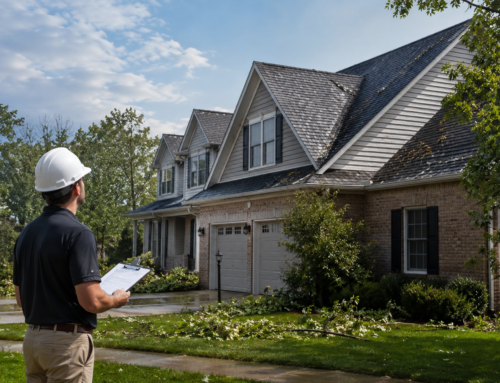
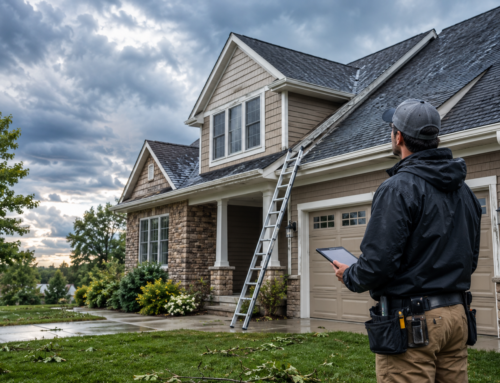
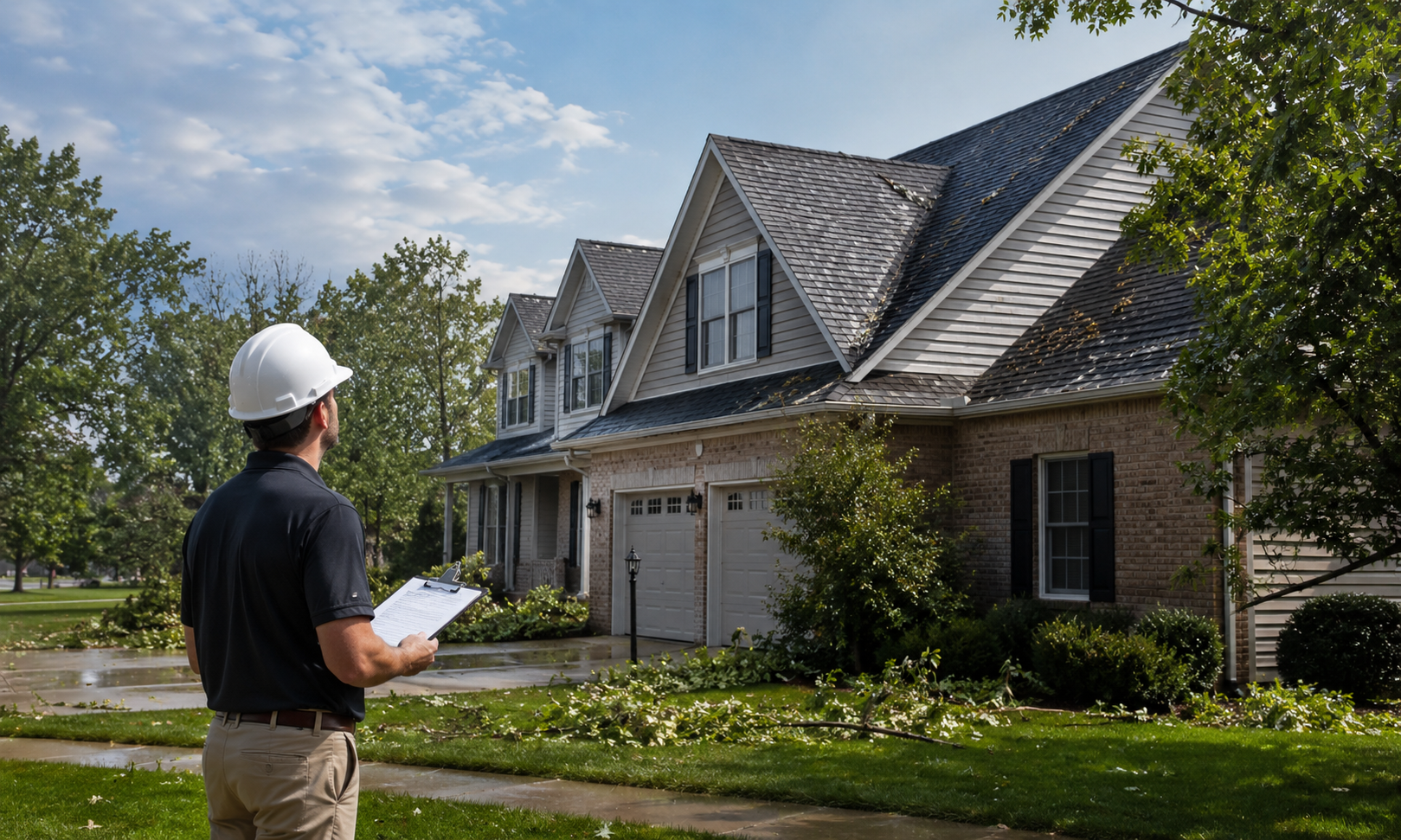
After a serious hail or wind event, we frequently see insurance adjusters scope full replacements, especially on older roofs. In those cases, your insurance settlement is based on removing and replacing roofing materials properly. Leaving panels in place and doing half‑measures around them can jeopardize the integrity of the new roof and complicate your claim down the road if there are leaks.
Material or design changes
If you’re changing roof materials, say from basic three‑tab shingles to a different shingle profile or to metal, the mounting and flashing details for your solar system may need to change as well. In that case, lifting panels, adjusting racking or mounts, and reinstalling correctly is part of doing the job right.
In all of these scenarios, leaving panels on while “sort of” replacing the roof creates long‑term risk. You might save money today, but you’re setting yourself up for bigger problems later.
Can You Work Around the Panels in Some Cases?
Homeowners often ask if we can “just fix the bad spots” without touching the solar. Sometimes, for very localized issues, that’s possible.
If you have a small leak at a vent far from the array, or a few damaged shingles at the eave, those repairs can usually be done without disturbing your panels. An experienced roofer can lift shingles, replace underlayment, or re‑flash a specific area while leaving the solar untouched.
The challenge comes when the “bad spots” are spreading, or when the array covers a large portion of an aging roof. We also see situations where an insurance adjuster writes a full replacement scope because of widespread hail damage, granule loss, or code upgrades. In those cases, trying to limit the work to “everything except where the panels are” is rarely in your best interest.
Overlay jobs, adding a new layer of shingles over the old, are another gray area. Even if your local code allows a second layer, stacking new material under an existing array can:
- Trap heat and moisture in ways the original design did not anticipate
- Make future deck inspections and repairs more difficult
- Create questions for both roofing and solar manufacturers about warranty coverage
So while there are limited scenarios where we can work around or under parts of an array for minor repairs, that approach is not a substitute for a proper roof replacement when the roof is at the end of its life.
What’s Actually Involved in Removing and Reinstalling Solar
From the ground, removing solar might look as simple as unscrewing a few bolts and lifting panels off. In reality, it’s a coordinated electrical and mechanical process that should be handled by qualified professionals.
Panels need to be safely disconnected from the inverter and electrical system. Wiring harnesses have to be labeled and protected. Racking and mounts may or may not be removed depending on the scope of the roof work. All of that has to be done with safety in mind for the workers, for your property, and for the equipment itself.
On the back end, the system has to be reassembled, connections verified, and the system tested. Depending on your jurisdiction and utility, there may be inspection or re‑commissioning steps required before the system goes back online.
Costs for removal and reinstallation depend on:
- The size and complexity of your solar array
- Roof pitch and accessibility
- Whether the original installer is still in business or a new solar partner is stepping in
- Local labor rates and permit/inspection requirements
This is why we encourage homeowners to plan their roof and solar together when possible. But when the roof has to be addressed after the fact, treating removal and reinstallation as a serious, coordinated part of the project, not an afterthought, is how you protect both assets.
The Pros and Cons of Doing It the Right Way
From a homeowner’s perspective, the “right way” usually looks like: temporarily remove the solar array, complete a proper tear‑off and replacement, then reinstall the system with flashing and mounting designed for the new roof.
The pros of that approach are straightforward:
- You get a clean, warranted roof system under your solar
- Deck and structural issues are addressed now, not hidden for later
- Your solar mounts are integrated correctly with the new roofing material
- You reduce the risk of leaks and the finger‑pointing that comes with patch jobs
The main con is cost. There’s no way around the fact that removing and reinstalling solar is an added line item. That’s why some homeowners are tempted to cut corners and look for ways to leave panels in place while roofing “around” them.
The question to ask yourself is not, “Can I save some money by skipping removal?” It’s, “What will it cost me if this shortcut leads to leaks, structural damage, or a future re‑do?” In most cases, the long‑term risk outweighs the short‑term savings.
How Wolf River Construction Coordinates Roof Replacement With Solar
Because Wolf River Construction works so closely with Wolf River Electric and other solar professionals, we’re used to treating these projects as one integrated system.
Here’s how it typically works when a homeowner with solar comes to us about a roof replacement.
We start with an inspection and documentation of both the roof and the solar installation area. We look at shingle condition, flashing, penetrations, and the deck wherever it’s accessible. We also note how and where the solar array is mounted. Is it roof‑penetrating racking? Is it a rail‑less system? Are there junction boxes or combiner boxes on the roof?
Next, we coordinate with your solar provider. If your original installer is still active, we work with them to schedule removal and reinstallation so that your system is handled by people who know it best. If that company is no longer in business, which is increasingly common in solar, we coordinate with a qualified solar partner who can safely de‑energize, remove, and later recommission the system.
We then sequence the project so that downtime is minimized. The panels come off as close as possible to the roof tear‑off date. The new roof is installed with the right underlayment, flashings, and integration points for the mounts. Then the solar team comes back, reinstalls the array, and gets you producing power again.
Throughout this process, communication and documentation matter. Photos, written scopes, and clear roles help avoid the “blame game” if anything ever goes wrong. Our goal is simple: one team, one plan, and a home that’s better protected and more efficient than when we started.
Insurance, Warranties, and Paper Trails
When roof replacement is driven by storm damage or an insurance claim, the solar question becomes even more important.
Your insurer may cover some or all of the cost to remove and reinstall the solar array as part of a covered roof replacement. Or they may not. That depends on your policy language and how the claim is scoped. Having a contractor and solar partner who can clearly explain why removal is necessary helps you advocate for yourself with the adjuster.
On the warranty side, both roof and solar manufacturers have terms around how their products must be installed and maintained. Improvised work‑arounds, like roofing “up to” the array but not under it, or cutting corners on flashing, can put those warranties at risk. Proper documentation of how the roof and solar were handled during replacement gives you something to stand on if you ever need to make a claim in the future.
How To Decide What’s Right for Your Home
At the end of the day, the decision comes down to the condition of your roof, the scope of the work, and how long you plan to stay in the home.
If your roof is at the end of its life and a full replacement is on the table, removing and reinstalling solar is the responsible path. If you’re dealing with a small, localized repair nowhere near the array, there may be options to leave the panels in place. In between those extremes are the gray areas where a professional evaluation really matters.
What you should not do is make this decision based on a quick look from the driveway or on conflicting answers from people who only understand half of the system.
At Wolf River Construction, we specialize in bridging that gap. We evaluate your roof and your solar together, explain your options in plain language, and, when needed, coordinate with trusted solar partners to remove and reinstall your system the right way.
If you’re looking at shingle debris in your yard, reading an insurance letter, or seeing water stains on the ceiling under a solar array, don’t guess. Reach out for a roof and solar readiness review. We’ll help you understand whether your panels need to come off, what that process will look like, and how to protect both your roof and your solar investment for the long term.