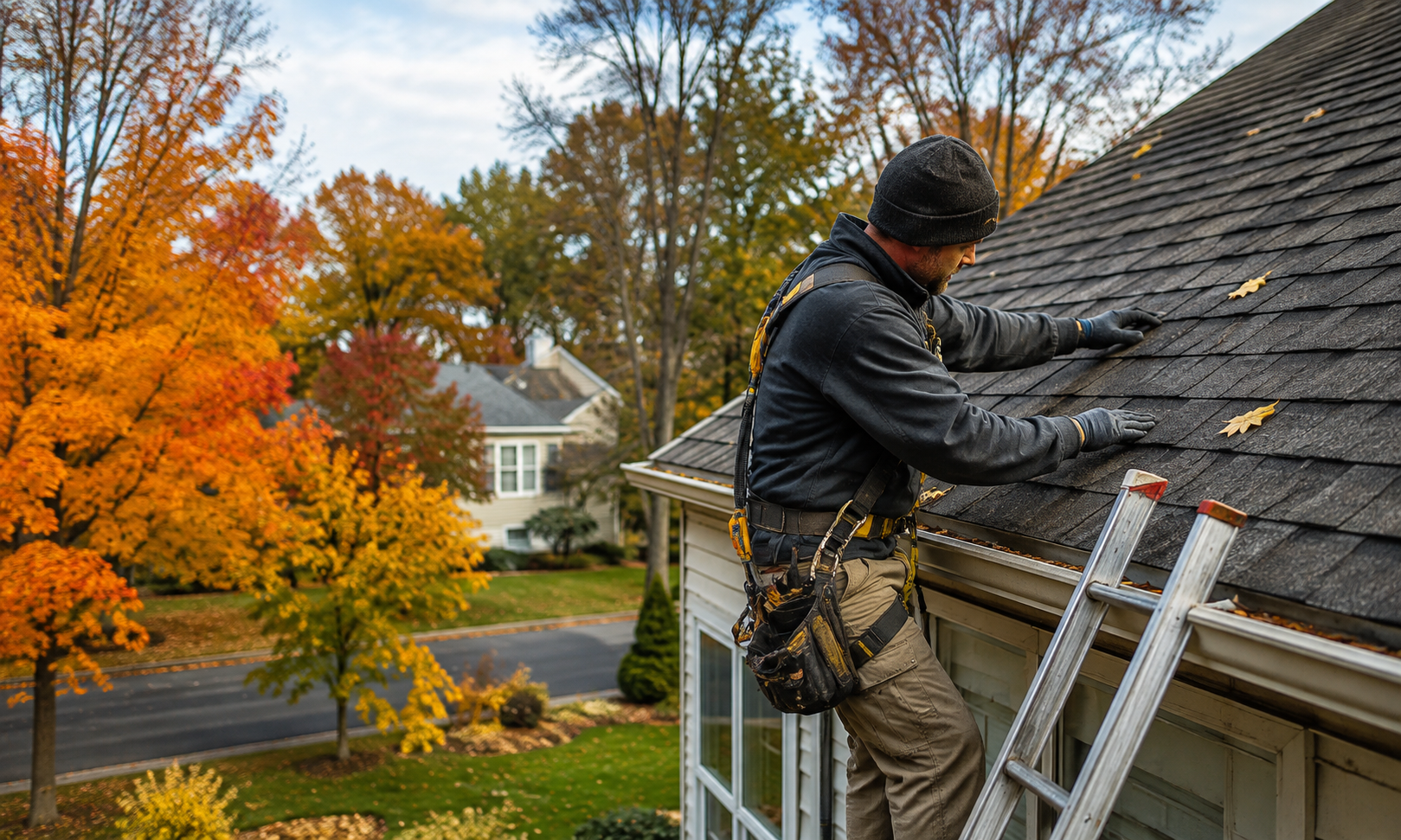
The best time to find a small roofing problem is before snow, ice and freezing temperatures make it harder to inspect and repair. For homeowners across Minnesota, Wisconsin, Iowa, North Dakota and South Dakota, September is a practical time to check the roof, gutters, flashing and attic for signs of summer storm damage or normal wear.
A fall roof inspection does not mean assuming something is wrong. It means getting a clear picture of your roof’s condition while there is still time to address issues before winter. Wolf River Construction provides professional roofing services and exterior construction support throughout the Midwest.
What should a fall roof inspection include?
A good inspection looks at the roof as a complete weather-protection system, not just the shingles. The roof surface, penetrations, flashing, ventilation, gutters and interior signs all help tell the story.
1. Look for missing, lifted or damaged shingles
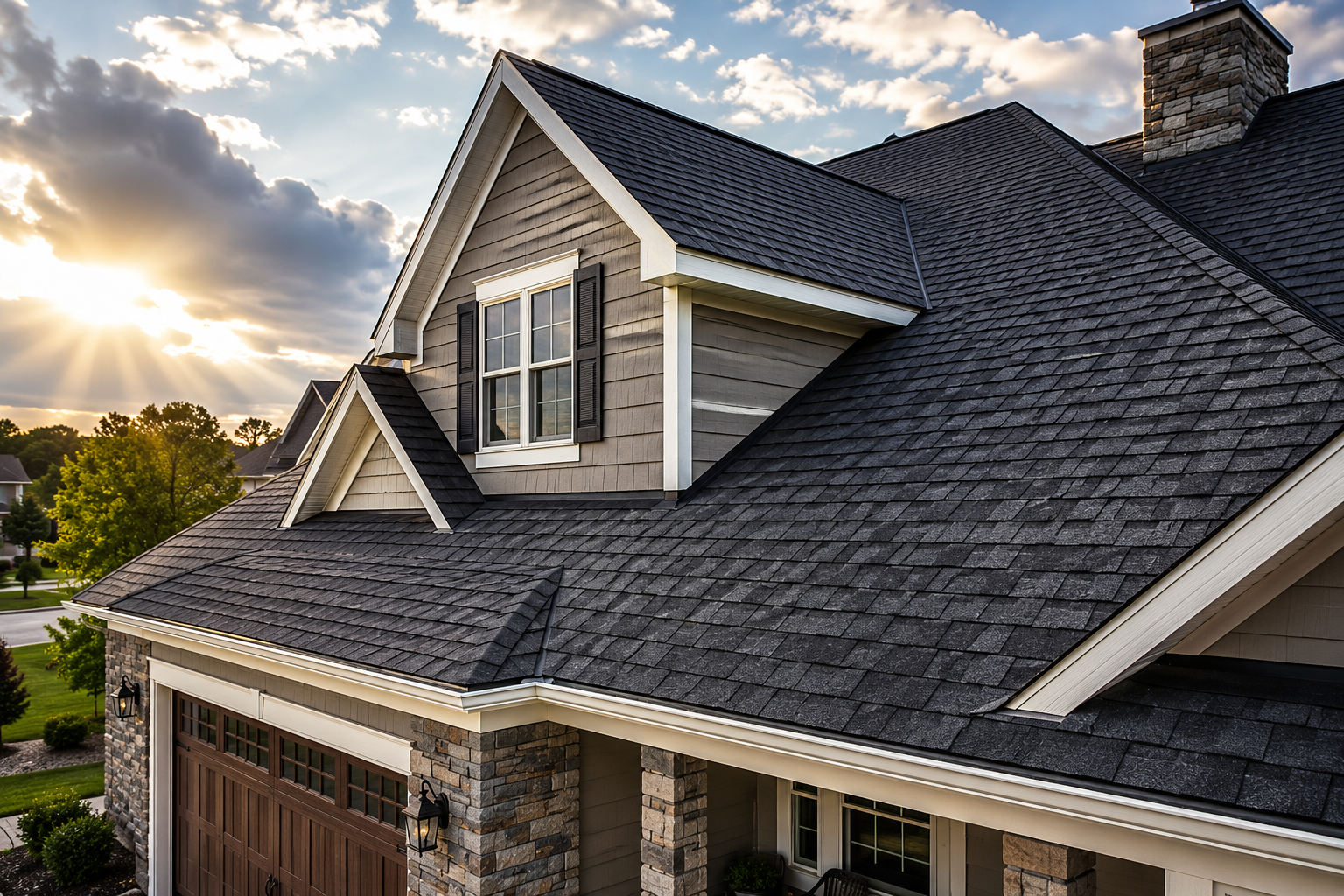
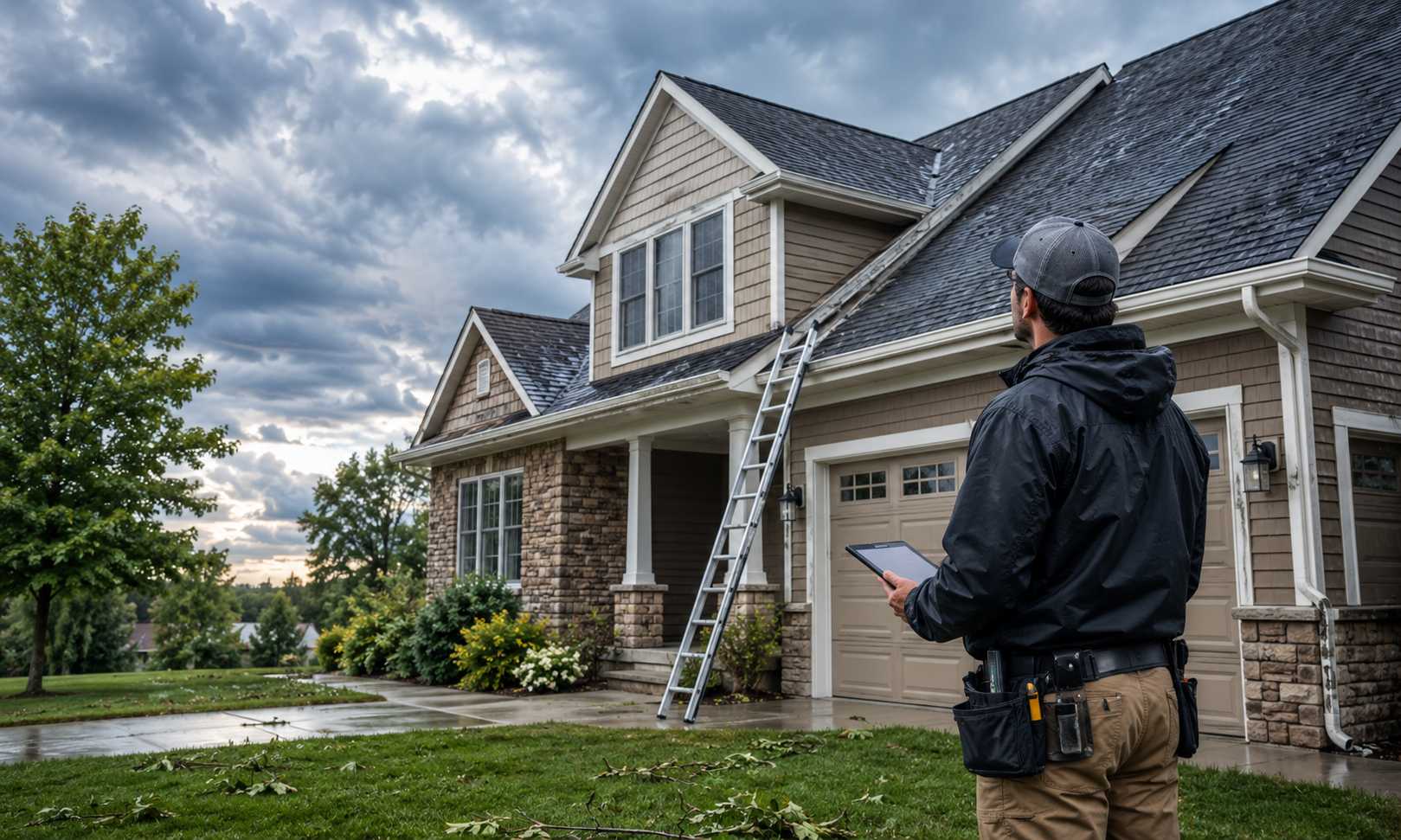
Wind, hail and repeated temperature changes can loosen or damage shingles. From the ground, look for obvious gaps, uneven areas or pieces of roofing material around the property. Avoid climbing onto a steep or wet roof yourself. A trained professional can safely inspect areas that are difficult to see from below.
2. Check flashing around vulnerable areas
Flashing helps direct water away from roof transitions and penetrations such as chimneys, vents, skylights and wall intersections. Loose, bent or deteriorated flashing may create a path for water. Fall is a good time to identify these weaknesses before freeze-thaw cycles begin.
3. Clear gutters and confirm drainage
Leaves, twigs and roofing debris can restrict drainage. Water that cannot move freely away from the roof edge can contribute to moisture problems when temperatures drop. Clean gutters and downspouts, then confirm that water is directed away from the foundation.
4. Inspect siding, soffit and fascia at the same time
Your roof works together with the rest of the exterior. Cracked siding, damaged fascia or compromised soffit can allow moisture and cold air into areas that should remain protected. Wolf River also provides siding installation and replacement, making a fall exterior review an efficient way to evaluate several parts of the home at once.
5. Check the attic and ceilings for clues
Inside the home, look for water stains, damp insulation, musty odors or visible daylight where it should not appear. These signs do not automatically identify the source, but they are worth investigating. Water can travel before it becomes visible, so the stain you see may not be directly below the roof opening.
What if your area had hail or severe storms this summer?
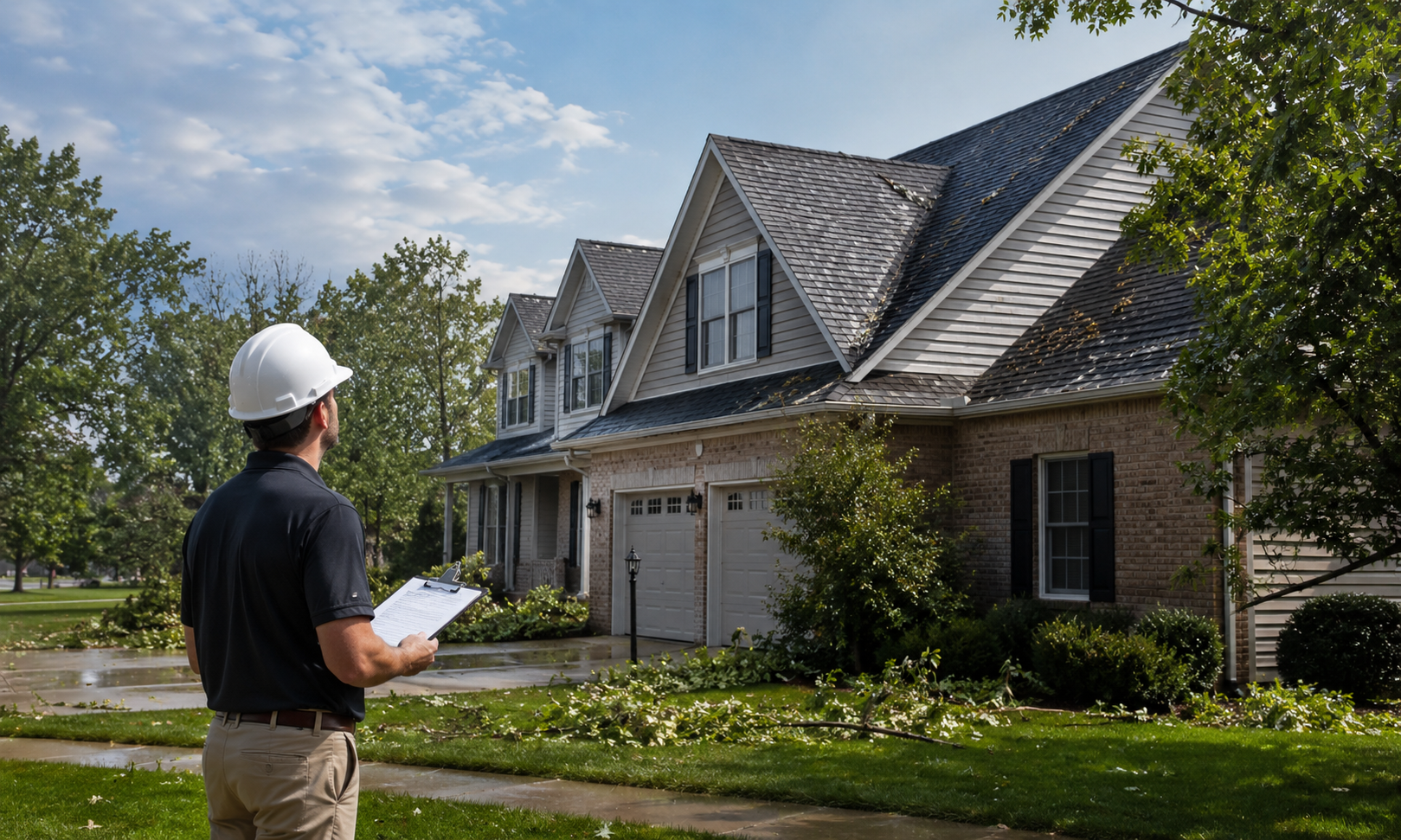
Storm damage can be subtle. A roof may look normal from the driveway while still having bruised shingles, loosened materials, damaged vents or other problems. If your neighborhood experienced hail or high winds, a professional inspection can document the condition of the roof and exterior before winter.
Wolf River Construction provides storm and emergency restoration services for roofs, siding, windows and other exterior components. If damage is found, the team can explain the repair options and help you understand what documentation may be useful if you choose to contact your insurer.
Fall roof inspection checklist for Midwest homeowners
- Scan the roof from the ground for missing or visibly damaged materials.
- Check gutters and downspouts for debris and proper drainage.
- Look at fascia, soffit and siding for cracks, gaps or storm damage.
- Inspect ceilings and attic areas for staining or moisture.
- Trim tree limbs that could scrape the roof or drop heavy debris.
- Confirm roof vents and exterior penetrations appear intact.
- Schedule a professional inspection if you see damage or your property was affected by severe weather.
Why September is a smart time to plan repairs
Once winter weather arrives, access, temperatures and daylight can complicate exterior work. Starting in early fall gives homeowners more time to evaluate the condition of the roof, compare repair options and plan responsibly. It can also help you avoid discovering a leak for the first time during snowmelt or an ice event.
If the roof is part of a larger exterior project, Wolf River Construction’s residential construction services include roofing, siding, windows, weatherproofing, additions and remodeling. That makes it easier to look at the whole building envelope instead of treating each exterior issue in isolation.
Frequently Asked Questions
How often should a roof be inspected?
There is no single schedule that fits every roof. Age, material, tree cover and recent weather all matter. An inspection is especially useful after severe hail or wind, when you notice a leak, or before a major seasonal change if the roof’s condition is uncertain.
Can I inspect my roof myself?
You can safely make useful observations from the ground and inside the attic. Walking on a roof can be dangerous and may also damage some materials, so leave close-up inspection of steep, wet, icy or questionable roofs to a qualified professional.
Does a small roof issue always mean I need a replacement?
No. Some problems can be repaired, while others may indicate broader wear. The right recommendation depends on the location and extent of damage, roof age, material and overall condition.
Should siding and windows be checked with the roof?
Yes, especially after a storm. Roofing, siding, windows, fascia and soffit all help protect the building from weather. Reviewing them together can reveal issues that a roof-only inspection may miss.
Get your home ready before winter
If you want a clearer picture of your roof or exterior before winter, contact Wolf River Construction. Our team serves homeowners across Minnesota and throughout the Midwest with roofing, restoration and construction solutions built for the conditions we live in.