
There is no single safe snow depth that applies to every Minnesota roof. Roof design, age, structural condition, slope, drifting patterns and the density of the snow all matter. A foot of light powder does not weigh the same as a foot of wet, compacted snow, and drifting can load one section of a roof much more heavily than another.
For homeowners, the practical goal is not to calculate structural engineering from the driveway. It is to know which conditions deserve attention, what warning signs should not be ignored and when to call a roofing or structural professional.
Wolf River Construction provides residential roofing, roof inspections and repairs across Minnesota and the Upper Midwest, where snow, ice, wind and freeze-thaw cycles are part of normal winter design conditions.
Snow Load Is About Weight, Not Just Depth
Fresh dry snow can be relatively light. Wet snow, sleet and layers that repeatedly melt and refreeze can become much heavier. Drifting also matters because wind may move snow from one part of the roof to another, concentrating weight near valleys, dormers or changes in roof height.
That is why two homes on the same street can experience very different loading conditions even after the same storm.
Roof Design Changes How Snow Behaves
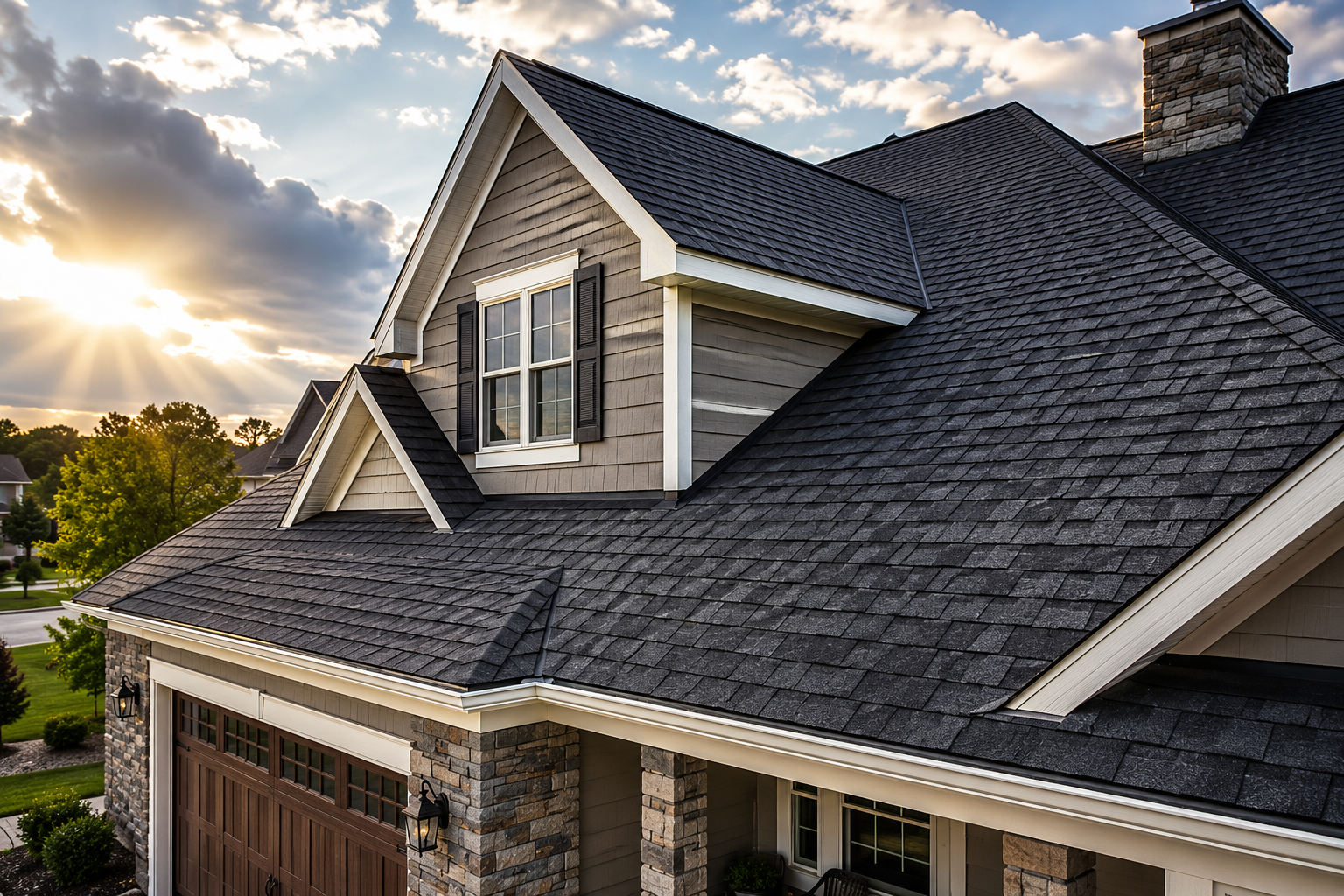
A steep roof may shed snow differently from a low-slope roof. Valleys and dormers can collect snow. Additions may create areas where one roof plane dumps snow onto another.
Older homes may also have been modified over time. Removed walls, previous leaks, structural changes or past storm damage can influence how the roof performs under winter loading.
Warning Signs That Deserve Immediate Attention
Most homeowners should not expect dramatic structural symptoms, but if they occur, they should be taken seriously.
- New sagging in the roofline
- Doors or windows that suddenly bind or will not close normally
- New cracks in walls or ceilings
- Unusual popping, creaking or structural noises
- Ceiling deflection
- Visible movement around roof supports
- Water intrusion associated with heavy snow or ice
If you suspect an immediate structural problem, keep people away from the affected area and contact appropriate emergency, structural or building professionals.
Snow, Ice Dams and Leaks Can Happen at the Same Time
Heavy snow does not have to threaten the structure to create a roofing problem. Snow can melt unevenly, refreeze at the eaves and contribute to ice dams. Water trapped behind an ice ridge may then reach vulnerable roofing or flashing details.
Should You Remove Snow From the Roof?
Sometimes snow removal may be appropriate, but rooftop work in winter can be extremely dangerous. Homeowners should not climb onto icy roofs or use methods that can damage shingles, metal panels, gutters or flashing.
A ground-operated roof rake may help reduce snow near accessible eaves on some homes, but it should be used carefully and only from a safe position. Avoid overhead power lines, falling snow and aggressive scraping against roofing materials.
When the roof is steep, unusually loaded, difficult to access or showing warning signs, professional evaluation is the safer option.
Do Not Create a New Problem While Removing Snow
Chopping ice with axes, hammers or metal shovels can puncture or fracture roofing materials. Walking across frozen shingles can also damage them and creates a serious fall risk.
Professional snow or ice removal should be performed using methods appropriate for the roof type and conditions.
Commercial and Residential Roofs Behave Differently
Low-slope commercial roofs often have different snow-drift patterns, structural designs and drainage systems than pitched residential roofs. Building owners should rely on the facility’s structural and roofing professionals rather than applying a residential rule of thumb.
Wolf River Construction works on both residential and commercial roofs throughout the Upper Midwest, where heavy snow and freeze-thaw cycles are part of the design environment.
What Should You Do Before the First Major Snow?
- Have known roof damage repaired.
- Clean gutters and drainage paths.
- Review attic moisture or ventilation problems.
- Photograph the roof from the ground for a fall baseline.
- Know which areas tend to drift.
- Have a contractor contact ready before a winter emergency.
- Avoid storing heavy items in attics without knowing the structure.
When Does a Roof Need Professional Inspection?
Consider an inspection when the roof has known age-related deterioration, previous leaks, summer hail damage, visible sagging, recurring ice dams or a history of heavy drifting. An inspection before winter can reveal conditions that are harder to evaluate once the roof is covered.
Frequently Asked Questions
How many inches of snow are too much for a Minnesota roof?
There is no universal inch-based answer. Snow density, roof design, drifting, structural condition and previous layers of ice all affect weight. If you are concerned about a specific building, have it evaluated rather than relying on a generic depth rule.
Is wet snow heavier than powder?
Yes. Wet, compacted snow contains much more water and can create substantially more weight than light dry snow at the same depth.
Should I climb onto the roof to shovel snow?
No. Winter roof surfaces can be extremely slippery, and snow can hide damaged or weak areas. Professional help is safer when removal is needed.
Can a roof leak without being overloaded?
Yes. Leaks can result from damaged shingles, flashing, ice dams or other water-entry points even when the structure itself is not overloaded.
Prepare the Roof Before Minnesota Snow Becomes a Structural Question
Homeowners do not need to become engineers to prepare for snow season. Start with a sound roof, clear drainage and an understanding of your home’s trouble spots. If you are concerned about roof age, previous storm damage or winter performance, contact Wolf River Construction for a professional roofing evaluation before the snow piles up.