
Ice dams form when snow melts on a warmer part of a roof, runs toward the colder eaves and refreezes before it can drain away. As that ice builds, additional meltwater can collect behind it and may find a path beneath roofing materials. Minnesota’s long snow season and repeated temperature swings make ice-dam prevention an important part of fall home maintenance.
The solution is not simply to attack the ice after it appears. Long-term prevention usually starts with the relationship between the roof, attic insulation, air sealing, ventilation and drainage. Wolf River Construction helps Minnesota homeowners evaluate roofing systems and exterior components before winter conditions expose existing weaknesses.
What Causes Ice Dams?
Snow on a roof acts as insulation. If heat from the living space reaches the underside of the roof deck unevenly, portions of the roof can warm enough to melt the bottom layer of snow even when outdoor temperatures remain below freezing.
That water moves downhill. At the eaves, where the roof extends beyond the heated portion of the home, the surface is often colder. The water refreezes and begins forming a ridge of ice. Repeated melting and freezing can enlarge the ridge and create a reservoir of water behind it.
Why Some Minnesota Homes Are More Vulnerable
Ice dams can occur on many roof types, but risk often increases when a home has uneven attic temperatures, air leakage from the living space, inadequate insulation, ventilation problems or complicated roof geometry. Valleys, dormers and areas where several roof planes meet can also create locations where snow accumulates.
Gutters do not cause ice dams by themselves, but clogged or poorly draining gutters can make roof-edge icing more troublesome by limiting normal drainage.
Warning Signs to Watch for This Winter
- Large ridges of ice along roof edges
- Icicles forming repeatedly from the same eave areas
- Water stains on ceilings or exterior walls
- Damp insulation or moisture in the attic
- Peeling paint or swollen trim near exterior walls
- Heavy ice accumulation in gutters
Icicles alone do not prove that water is entering the home, but recurring ice buildup deserves attention because it can reveal a temperature or drainage pattern that should be investigated.
What Can You Do Before Snow Arrives?
Inspect the Roof
Existing roofing damage makes water management more difficult. Missing shingles, failing flashing or deteriorated roof-edge details should be addressed before snow covers the surface.
Clean Gutters and Downspouts
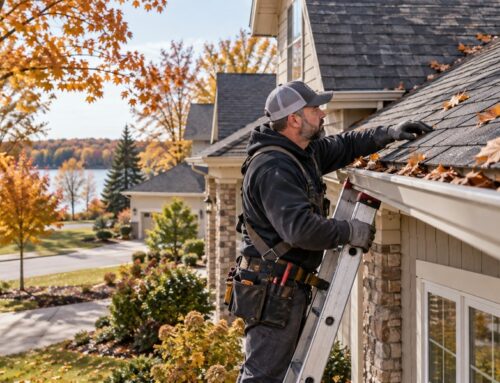
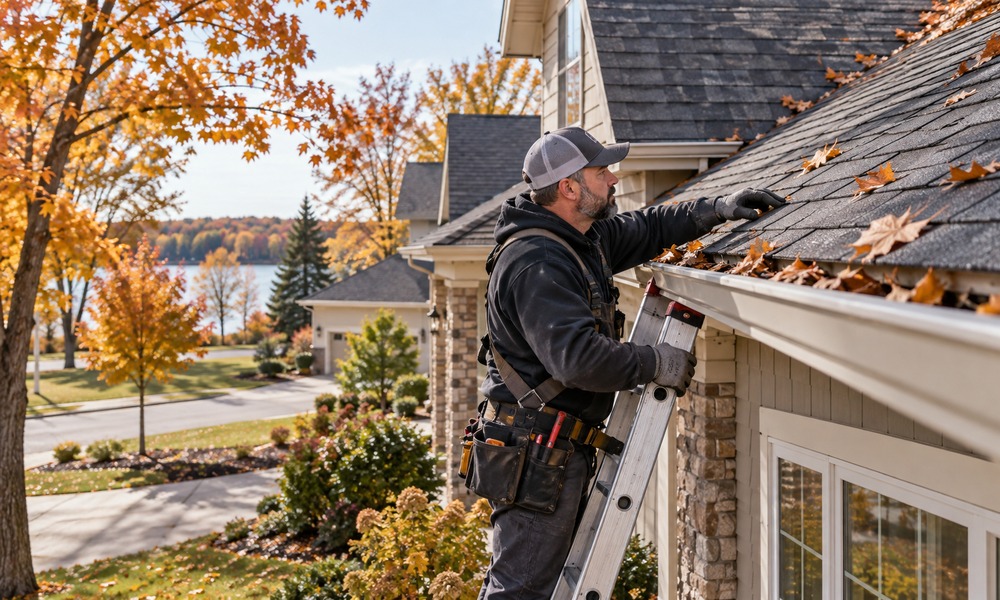
Remove leaves and debris so meltwater has a clear path away from the roof. Confirm that gutter sections are secure and downspouts discharge properly.
Review the Attic
Look for signs of air leakage, uneven insulation, moisture or ventilation concerns. Do not block intake or exhaust ventilation with insulation. If the attic configuration is unclear, have a qualified professional evaluate it.
Seal Obvious Air-Leak Paths
Warm indoor air can enter attics through gaps around fixtures, penetrations, attic hatches and other openings. Appropriate air sealing can help reduce unwanted heat transfer, but electrical and combustion-safety considerations should be respected.
Why Roof Replacement Alone May Not Fix an Ice-Dam Problem
A new roof can correct worn materials and improve weather protection, but if the underlying attic heat pattern remains the same, ice dams may still form. The strongest solution considers the roof assembly as a system.
That is one advantage of working with a contractor that handles roofing along with broader exterior construction and weatherproofing services. The exterior, attic and building envelope can be considered together rather than treating the visible ice as the only issue.
What Should You Do If an Ice Dam Forms?
Avoid climbing onto an icy roof. Chipping at ice with axes, hammers or sharp tools can damage roofing materials and create a serious fall hazard. If water is actively entering the home, protect belongings and interior finishes where it is safe to do so, then contact a qualified contractor.
Some professional ice-dam removal methods use controlled steaming or other specialized equipment. The appropriate approach depends on roof material, access and weather conditions.
Storm Damage and Ice Dams Can Overlap
If the roof was already affected by summer hail or wind, winter ice may expose damage that was not obvious earlier. A compromised shingle or flashing detail can become a more serious leak point when water backs up during freeze-thaw cycles.
Frequently Asked Questions
Do heat cables prevent every ice dam?
No. Heat cable can be useful in specific situations when properly designed and installed, but it does not replace correcting attic heat loss, ventilation or roof problems that may be contributing to recurring ice.
Are ice dams caused by gutters?
Not usually. Ice dams form because of melting and refreezing patterns on the roof. Gutters can influence how ice accumulates at the edge, but they are not typically the root cause.
Can I remove snow from the roof myself?
Ground-operated roof rakes may be appropriate for some accessible low roof edges when used carefully, but avoid ladders, power lines and situations where falling snow or ice could cause injury. Professional help is safer when access is difficult.
Fix the Cause Before the Next Minnesota Freeze
If your home experienced ice dams last winter, October is the time to investigate why. Talk with Wolf River Construction about the roof, attic and exterior conditions before winter weather makes the problem visible again.