Designing a Roof That’s Truly Future-Proof
When you live in Minnesota, Iowa, North Dakota, South Dakota, or Wisconsin, your roof doesn’t just sit there and look pretty. It takes a beating. From ice and wind to summer hail and heavy snow loads, your home’s roof is the first line of defense against the Midwest’s wild mood swings.
So when it’s time to repair or replace, the question usually sounds something like this:
“Do I just put on what I had before… or is there a better option for my home and budget?”
At Wolf River Construction, we see this every day. Homeowners are bombarded with options—shingles, metal, “lifetime” this, “impact-rated” that—and it’s hard to tell what actually matters in Minnesota, Iowa, North Dakota, South Dakota, and Wisconsin. Our job is to slow that decision down just enough to explain the trade-offs, so you can feel confident that you’re choosing a roof solution that fits your home, your budget, and your long-term plans.
Let’s walk through the main types of roofing we install for residential clients across the Upper Midwest and talk honestly about how they perform.
Asphalt Shingles: The Midwest Workhorse
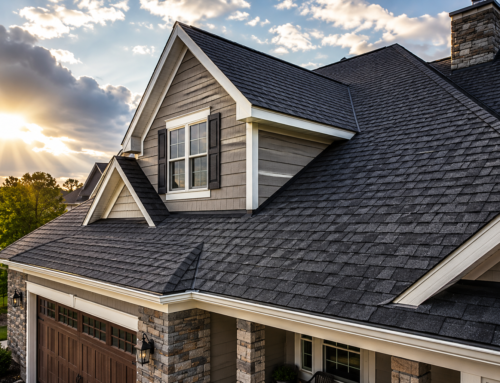
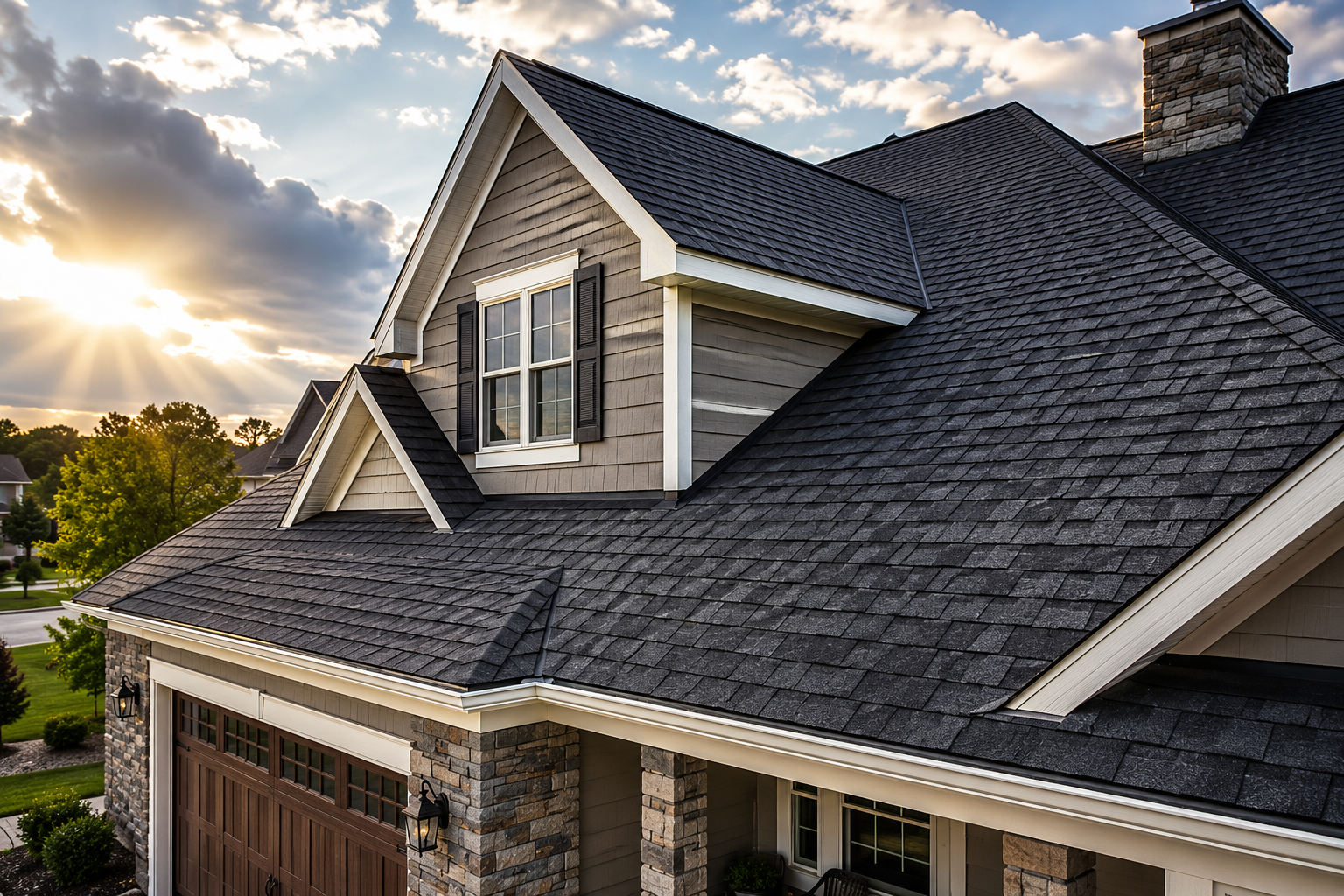
If you drive through almost any neighborhood in Minnesota, Iowa, North Dakota, South Dakota, or Wisconsin, you’ll see one material more than any other: asphalt shingles. There’s a reason for that.
Asphalt shingles hit a sweet spot of affordability, familiarity, and flexibility. According to the Asphalt Roofing Manufacturers Association, they cover the majority of U.S. homes and typically last about 15–30 years depending on the product and local weather conditions (ARMA, accessed 2026). In a climate with freeze–thaw cycles, hail, and high winds, the installation quality and product choice matter as much as the material itself.
Where shingles work really well:
They’re budget-friendly without feeling “cheap.” There are solid architectural shingles that look great, offer better wind and impact resistance than old three-tab shingles, and fit the needs of most homeowners. You can choose from a wide range of colors and profiles to match your home’s style, and many products are designed to perform in colder climates like ours.
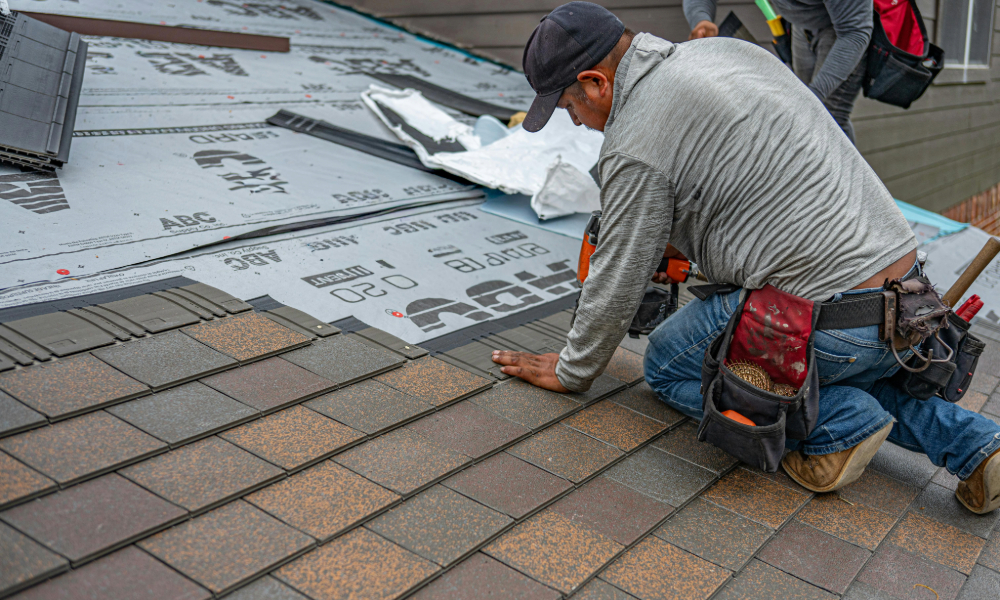
Where homeowners sometimes get burned is not the shingle—it’s the system. A roof is more than just the visible layer. It’s the underlayment, ice and water shield, flashing, ventilation, and the way everything ties into your home’s structure. That’s why you see two houses, both with “new roofs,” age very differently over a 10–15 year period.
At Wolf River Construction, we spend a lot of time on the details you don’t see: how we handle valleys and penetrations, what we do along the eaves and rakes to fight ice dams, and how we balance attic ventilation so your roof can breathe all year long. If you want a solid, cost-effective solution that can be upgraded with impact-resistant or higher-end shingles, asphalt is often the right choice.
Metal Roofing: Built for the Long Haul
If asphalt shingles are the workhorse, metal roofing is the marathon runner. It usually costs more upfront but pays you back in longevity and performance when it’s installed correctly.
Metal roofing systems—especially standing seam—can last 40–70 years when maintained properly, according to the Metal Roofing Alliance (MRA, accessed 2026). In the Upper Midwest, that longevity pairs nicely with a few other benefits:
Snow sheds more easily from a properly designed metal roof, which can reduce snow load and ice buildup issues. Metal also reflects more of the sun’s energy, helping keep the roof surface cooler in summer and reducing heat gain. That doesn’t replace good insulation and ventilation, but it can help your home perform more efficiently.
Homeowners in Minnesota, Iowa, North Dakota, South Dakota, and Wisconsin often ask about two things with metal: noise and hail.
For noise, the reality is that on a properly installed metal roof with a solid deck and underlayment, the sound of rain is usually not dramatically louder than shingles. You’re not living under a steel barn roof; you’re living under a complete roofing system.
With hail, there’s a distinction between cosmetic and functional damage. Impact-resistant metal panels can stand up very well structurally, but large hail can still leave cosmetic dents. That’s where picking the right profile and talking through insurance coverage matters. We help our clients understand both sides so they aren’t surprised down the road.
Metal becomes a smart option when you’re planning to stay in your home for the long term, you want a very durable, low-maintenance solution, and you care about performance and curb appeal. It’s also an excellent partner for future solar, because standing seam metal roofs allow many solar systems to be attached with less roof penetration.
Flat and Low-Slope Roofing: The “Hidden” Residential Roof
Most homeowners think “flat roofs” are just for commercial buildings, but that’s not the whole story. Around Minnesota, Iowa, North Dakota, South Dakota, and Wisconsin, we see flat or low-slope roofs on:
Garages and additions
Porches and patio covers
Modern or contemporary-style homes
Split-level or mid-century designs with mixed roof types
These areas can’t be treated like a standard shingle roof. Even a “flat” roof actually has a slight pitch to move water, and it needs a system designed for that job—often TPO, EPDM, or a specialized coating—paired with good drainage.
When flat or low-slope roofs fail in our climate, they usually fail at the details: ponding water, poorly sealed seams, or transitions where a low-slope section meets a pitched shingle or metal section. Water finds those weak spots fast, especially when snow melts and refreezes.
At Wolf River Construction, we evaluate the whole roof—not just the easy areas. That means looking at how water moves, where snow drifts, and how we can tie the low-slope materials into your main roof so it works as one system. If a portion of your home uses a flat or low-slope design, we’ll make sure that part gets the right product and installation approach for the Midwest, not just whatever was on the truck that day.
Whether you choose asphalt shingles, metal, or a combination with some low-slope areas, the real goal is the same: a roof that is built for the next 20–30 years of your life, not just the next insurance claim.
For homeowners in Minnesota, Iowa, North Dakota, South Dakota, and Wisconsin, “future-proof” roofing often includes:
Planning for ventilation and insulation together, so your attic doesn’t turn into an ice-dam factory every winter.
Thinking ahead to solar. Even if you don’t install panels today, we can design and install a roof that’s solar-ready—right structure, right penetrations, and materials that cooperate with future mounting systems.
Choosing products and details that work with local codes and weather patterns, not against them. That might mean ice and water shield coverage beyond the bare minimum, enhanced flashing in certain areas, or impact-resistant shingles in hail-prone zones.
This is where Wolf River Construction’s combination of craftsmanship and innovation shines. We’re not just swapping out old shingles for new ones; we’re looking at how your roof, attic, siding, and even your future plans all fit together.
If you live in a hail corridor, we’ll talk honestly about impact resistance and insurance realities. If you’re already thinking about solar, we’ll coordinate with Wolf River Electric so you’re not paying twice for work that could have been done once. If you have an older home, we’ll explain what can be preserved, what should be upgraded, and how to keep the character while improving performance.
Ready to Talk Through Your Options?
There is no one “perfect” roof for every home in Minnesota, Iowa, North Dakota, South Dakota, and Wisconsin. There is, however, a right solution for your home, budget, and long-term plans.
Our team at Wolf River Construction is here to walk that decision with you—not pressure you into the trend of the week. We’ll look at your existing roof, your goals, and your future plans (including solar if that’s on your radar) and recommend a roof system that’s built to last in the real Midwest, not just on a brochure.
If you’re ready to explore your options, you can start in minutes:
Use our online tool to Calculate My Roofing and get a quick sense of your project, or
Request a free quote and talk directly with our team about your home.
Your roof has a big job to do in the Upper Midwest. Let’s make sure it’s built for the weather you actually live in—and the future you’re planning for.